
24 Hours To Improve Car Ignition Lock
페이지 정보

본문
Why is My Car Ignition Locked?
There are many reasons why your ignition could be stuck. One reason is that the key is dirty or has a damaged wafer inside. This can be corrected by sliding the key into and out of the cylinder several times.
The pins on the lock cylinder could also be stuck. You can use a small tack hammer to gently tap on the cylinder to loosen them.
Check the Battery
If your car is in Park or neutral, but won't turn on when you insert the key into the ignition, there may be a problem with the shifter switch for the transmission. It is possible to fix the issue by moving the gear shifter upwards or down to put the vehicle into the correct gear.
If it is still not turning, the problem could be due to the neutral safety switch or transmission shifter cable. A mechanic or local auto locksmith can easily fix these problems.
The ignition cylinder could also be worn out. In time, both the ignition and key can become worn out and become difficult to insert or remove. A lubricant like silicon lock grease can address this problem, allowing the wafers slide into place.
The key could get clogged with lint from your pockets as well as adhesive from tape that is used to keep packages in place. This can prevent the key from sliding into the ignition. Clean the key using a cloth, or a cleaner such as Triflow, to solve this issue. You could also try a spare key in order to determine if the problem is the ignition or the key.
While the key is in the ignition cylinder replacement near me, you can tap it with a an hammer that is small. This can cause a slight vibration, which may be enough to loosen up the wafers in the ignition and let them slide into the right position. However, you should be very careful not to harm the ignition key or cylinder.
If all of the above solutions are unsuccessful, it's time to call a locksmith or automotive mechanic to have it examined. The key could be damaged in the cylinder of ignition, or it might be time to replace it completely. If the problem is with the key the locksmith will be able to create a new key for you. If the issue is related to the ignition cylinder, Car Ignition Locked the vehicle will need to be brought to a repair shop in order to have it replaced. Luckily, these issues are generally easy to fix.
Check the steering wheel
A steering wheel that is locked can cause the ignition to stop turning. It could happen if drivers accidentally engage the steering wheel as they exit or enter the vehicle. This usually happens by yanking the wheel and being able to hold it against their body. It could also happen if someone in the rear seat accidentally engages the brakes as they exit the vehicle.
This is a quick fix that doesn't require going to the mechanic or locksmith. First, make sure the gear shift is in either Park or Neutral. If it's not, push or pull the shifter until it moves into one of these positions. It's also crucial to press the brake or activate the handbrake before you attempt to turn the key.
If the wheel isn't locked, taking a look at the steering column will show whether the key has been engaged with the lock. A small "Lock label can be found in the lower portion the ignition circle. This can be easily disengaged by gently jiggling it or pulling it down with moderate force. It is essential not to use too much force, as this could cause damage to the key or even tear a wafer from the lock cylinder.
Another thing to try is using a spare key to see whether it is able to unengage the lock. This could mean that the key is worn and is no longer able to engage the wafers inside the lock cylinder. If this is the situation the locksmith at Karl Chevrolet Webster City will be able to create an appropriate replacement key.
If the key still doesn't engage after spraying penetrating lubricant, it could help. Just apply a small amount of oil around the ignition and the keyhole that you have inserted, and then gently tap or jiggle it until it starts to engage. If this doesn't work, you will probably need to visit a specialist at your local auto dealership. They'll be able give you a new key and replace the ignition cylinder, in the event that it is required.
Check the Key
It could be that your key is damaged if it will not turn on. You can clean any foreign material (lint from packing tape or adhesive) from the key. It is also possible to rub alcohol or Goo Gone on the key to see if this aids.
If the pins within the lock do not move properly when you insert your key, it's possible that they are stuck. You can test a spare key by gently pulling it out of the ignition once you have put it in. This should let you feel and hear if the internal lock pins move as they should. If you can't hear or feel any movement, you can grease them with graphite. You can purchase graphite in small tubes which can be put into the keyhole. This should allow the pins to slide into position when you insert the key and prevent them from getting stuck.
It could be that your key has become worn out or damaged and is unable to engage with the pins within the ignition cylinder. This could cause the ignition cylinder not to turn, preventing you from starting your car. In this instance, you'll need to bring your vehicle to an auto repair shop or locksmith for assistance.
If you are able to turn your car ignition lock using a spare key, and you've ruled out any problems with the steering wheel or battery it could be that the ignition cylinder has worn out. You can try to loosen the lock using an abrasive screwdriver or handle of smaller hammers. Don't use the head. Sometimes, a gentle tap on the cylinder will release it and allow you to turn your car key. If this is not working it is necessary to replace the lock cylinder by an expert mechanic.
Check the Ignition Socket
The ignition socket is where your key slides in and out when you insert it. It is often covered in debris or is a result of regular wear and tear. You can squirt some silicon lock lubricant in the ignition.
You can also employ a small hammer and very gently tap the inside of the ignition cylinder, to try to loosen or reset the pins which may be out of alignment. Be careful not to overdo it as you could cause serious damage to the ignition switch.
It is essential to ensure that your car's transmission is set to neutral or park prior to attempting this. Many newer cars have an option to stop the steering wheel from turning when it is not in neutral or park and prevent the key from turning in the ignition.
If you've tried all of these steps and your key still won't turn, it's possible that the ignition housing needs to be replaced. Different vehicles have different procedures for replacing the ignition cylinder, so it is essential to follow the correct procedures.
This typically involves removing the plastic covering that covers the steering column and ignition assembly. To remove it, you'll need to adjust the tilt-wheel in its lowest position. Then, loosen any fasteners holding it in the position.
Once the cover is removed, you will need to take the old ignition cylinder from the steering column. It is then essential to check the new one that you have purchased with the old one to ensure that they are an identical match. After this step is completed the new ignition cylinder is able to be installed in the same manner that the old one was removed.
It is possible that, despite our best efforts, an ignition can be damaged and require to be replaced. It is recommended that if this happens, you call a Tempe Locksmith. A locksmith will assist you in selecting the right replacement and install it properly to ensure that your vehicle can start again.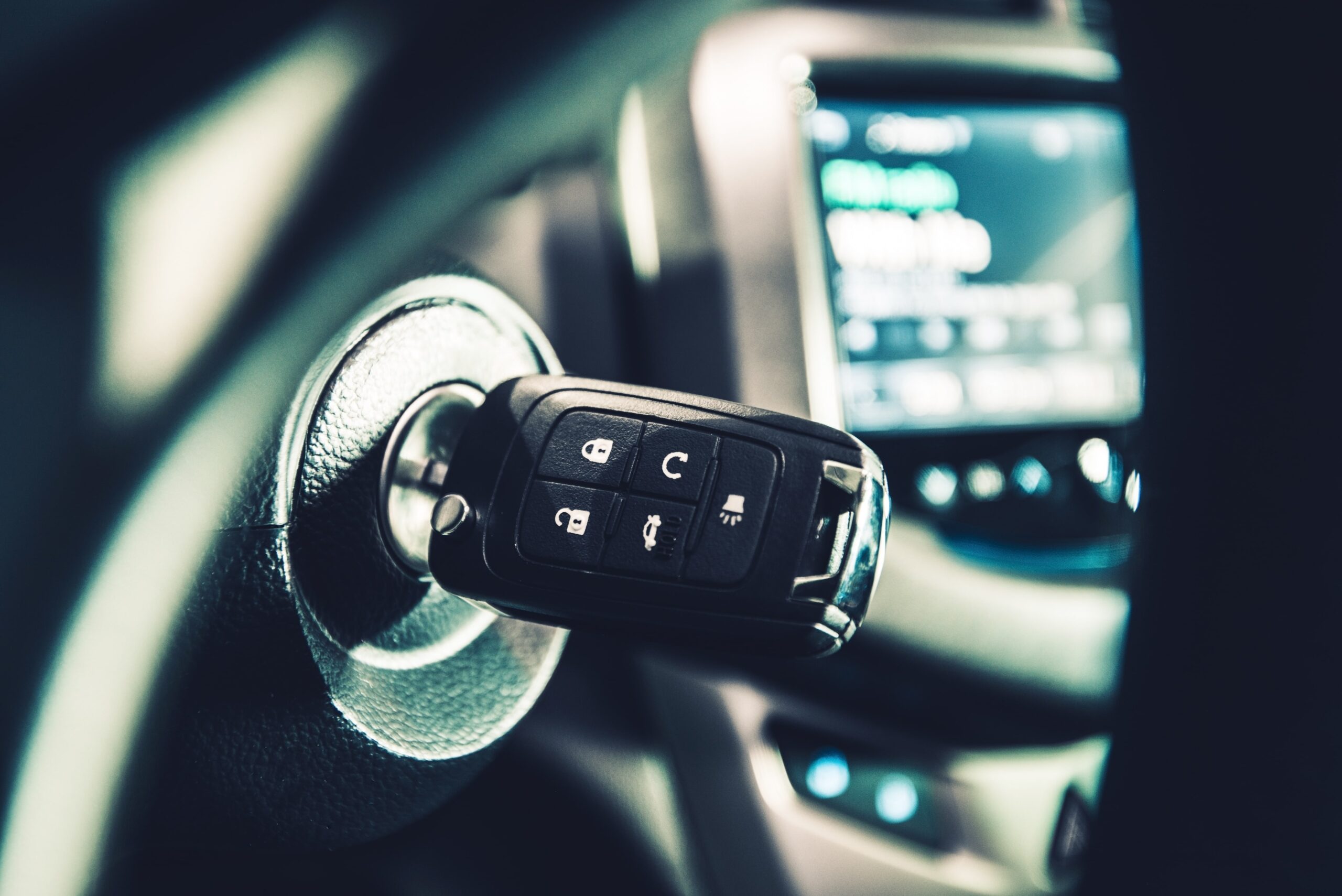
There are many reasons why your ignition could be stuck. One reason is that the key is dirty or has a damaged wafer inside. This can be corrected by sliding the key into and out of the cylinder several times.
The pins on the lock cylinder could also be stuck. You can use a small tack hammer to gently tap on the cylinder to loosen them.
Check the Battery
If your car is in Park or neutral, but won't turn on when you insert the key into the ignition, there may be a problem with the shifter switch for the transmission. It is possible to fix the issue by moving the gear shifter upwards or down to put the vehicle into the correct gear.
If it is still not turning, the problem could be due to the neutral safety switch or transmission shifter cable. A mechanic or local auto locksmith can easily fix these problems.
The ignition cylinder could also be worn out. In time, both the ignition and key can become worn out and become difficult to insert or remove. A lubricant like silicon lock grease can address this problem, allowing the wafers slide into place.
The key could get clogged with lint from your pockets as well as adhesive from tape that is used to keep packages in place. This can prevent the key from sliding into the ignition. Clean the key using a cloth, or a cleaner such as Triflow, to solve this issue. You could also try a spare key in order to determine if the problem is the ignition or the key.
While the key is in the ignition cylinder replacement near me, you can tap it with a an hammer that is small. This can cause a slight vibration, which may be enough to loosen up the wafers in the ignition and let them slide into the right position. However, you should be very careful not to harm the ignition key or cylinder.
If all of the above solutions are unsuccessful, it's time to call a locksmith or automotive mechanic to have it examined. The key could be damaged in the cylinder of ignition, or it might be time to replace it completely. If the problem is with the key the locksmith will be able to create a new key for you. If the issue is related to the ignition cylinder, Car Ignition Locked the vehicle will need to be brought to a repair shop in order to have it replaced. Luckily, these issues are generally easy to fix.
Check the steering wheel
A steering wheel that is locked can cause the ignition to stop turning. It could happen if drivers accidentally engage the steering wheel as they exit or enter the vehicle. This usually happens by yanking the wheel and being able to hold it against their body. It could also happen if someone in the rear seat accidentally engages the brakes as they exit the vehicle.
This is a quick fix that doesn't require going to the mechanic or locksmith. First, make sure the gear shift is in either Park or Neutral. If it's not, push or pull the shifter until it moves into one of these positions. It's also crucial to press the brake or activate the handbrake before you attempt to turn the key.
If the wheel isn't locked, taking a look at the steering column will show whether the key has been engaged with the lock. A small "Lock label can be found in the lower portion the ignition circle. This can be easily disengaged by gently jiggling it or pulling it down with moderate force. It is essential not to use too much force, as this could cause damage to the key or even tear a wafer from the lock cylinder.
Another thing to try is using a spare key to see whether it is able to unengage the lock. This could mean that the key is worn and is no longer able to engage the wafers inside the lock cylinder. If this is the situation the locksmith at Karl Chevrolet Webster City will be able to create an appropriate replacement key.
If the key still doesn't engage after spraying penetrating lubricant, it could help. Just apply a small amount of oil around the ignition and the keyhole that you have inserted, and then gently tap or jiggle it until it starts to engage. If this doesn't work, you will probably need to visit a specialist at your local auto dealership. They'll be able give you a new key and replace the ignition cylinder, in the event that it is required.
Check the Key
It could be that your key is damaged if it will not turn on. You can clean any foreign material (lint from packing tape or adhesive) from the key. It is also possible to rub alcohol or Goo Gone on the key to see if this aids.
If the pins within the lock do not move properly when you insert your key, it's possible that they are stuck. You can test a spare key by gently pulling it out of the ignition once you have put it in. This should let you feel and hear if the internal lock pins move as they should. If you can't hear or feel any movement, you can grease them with graphite. You can purchase graphite in small tubes which can be put into the keyhole. This should allow the pins to slide into position when you insert the key and prevent them from getting stuck.
It could be that your key has become worn out or damaged and is unable to engage with the pins within the ignition cylinder. This could cause the ignition cylinder not to turn, preventing you from starting your car. In this instance, you'll need to bring your vehicle to an auto repair shop or locksmith for assistance.
If you are able to turn your car ignition lock using a spare key, and you've ruled out any problems with the steering wheel or battery it could be that the ignition cylinder has worn out. You can try to loosen the lock using an abrasive screwdriver or handle of smaller hammers. Don't use the head. Sometimes, a gentle tap on the cylinder will release it and allow you to turn your car key. If this is not working it is necessary to replace the lock cylinder by an expert mechanic.
Check the Ignition Socket
The ignition socket is where your key slides in and out when you insert it. It is often covered in debris or is a result of regular wear and tear. You can squirt some silicon lock lubricant in the ignition.
You can also employ a small hammer and very gently tap the inside of the ignition cylinder, to try to loosen or reset the pins which may be out of alignment. Be careful not to overdo it as you could cause serious damage to the ignition switch.
It is essential to ensure that your car's transmission is set to neutral or park prior to attempting this. Many newer cars have an option to stop the steering wheel from turning when it is not in neutral or park and prevent the key from turning in the ignition.
If you've tried all of these steps and your key still won't turn, it's possible that the ignition housing needs to be replaced. Different vehicles have different procedures for replacing the ignition cylinder, so it is essential to follow the correct procedures.
This typically involves removing the plastic covering that covers the steering column and ignition assembly. To remove it, you'll need to adjust the tilt-wheel in its lowest position. Then, loosen any fasteners holding it in the position.
Once the cover is removed, you will need to take the old ignition cylinder from the steering column. It is then essential to check the new one that you have purchased with the old one to ensure that they are an identical match. After this step is completed the new ignition cylinder is able to be installed in the same manner that the old one was removed.
It is possible that, despite our best efforts, an ignition can be damaged and require to be replaced. It is recommended that if this happens, you call a Tempe Locksmith. A locksmith will assist you in selecting the right replacement and install it properly to ensure that your vehicle can start again.
- 이전글서양무료 야동 보는곳 (4k, free_;보기)ae다운_로드 U xx 서양무료 야동 ver 24.05.17
- 다음글Ten Reasons To Hate People Who Can't Be Disproved ADHD Private Diagnosis Cost 24.05.17
댓글목록
등록된 댓글이 없습니다.