
Why Nobody Cares About Over Ear And On Ear Headphones
페이지 정보

본문
The Difference Between Over Ear and On Ear Headphones
Over-ear headphones are a way to protect your ears, allowing for in Ear larger drivers and room to deliver a truly amazing sound. They are generally made for audiophiles and can be quite expensive.
They are usually foldable which makes them a great choice for traveling. They're also a great choice for workouts, as they don't heat up as much and don't place pressure on your ears.
Noise Cancellation
If you're going to spend some money on headphones, you must ensure that they have the best noise cancellation features possible. Over-ear headphones are ideal to do this since they seal your ears and block the majority of external noise. They also are more bulky than the ear headphones. Therefore, they may be a bit more difficult to fit into a small bag or backpack when traveling.
On-ear headphones are not ideal in terms of sound quality and noise cancellation, because they don't seal so tightly around your ears. This can allow some ambient noise to be able to escape into your surroundings, but it also allows you to be able to hear more of what's happening around you, which could be beneficial depending on your needs for listening.
Despite being the least portable headphones, over-ear ones are generally the most effective noise cancellation capabilities of the three most commonly used headphones. This is due to their large size, which allows bigger drivers to deliver better audio quality. The result is that they can produce a full range of frequencies with amazing clarity and detail. This is why over-ear headphones are the preferred choice for professionals in the music industry and audiophiles.
In addition to their superior audio quality, headphones that are over-ear are less likely to harm your hearing when worn for extended durations. This is due to the fact that earbuds could cause earwax to accumulate which can impact your hearing. Over-ear headphones are less likely to trigger this issue, as they are not so close to the eardrums.
Many over-ear headphones feature active noise cancellation technology. This helps to block out external sounds by creating opposite sound waves to those coming from your audio source. This is accomplished by series microphones that are placed inside the headphones. They are able to detect ambient sounds and then produce the opposite signal in order to eliminate the sound. This will depend on the way you listen to music and podcasts, and also if you listen in public.
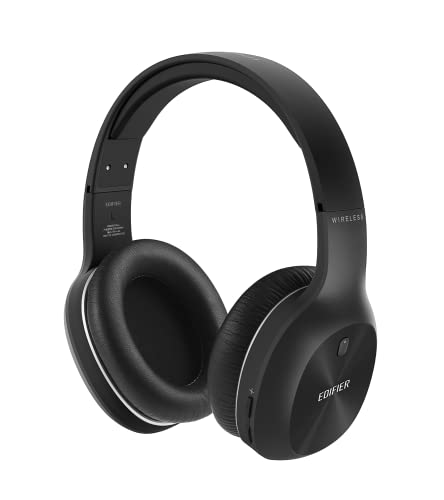 Sound Quality
A good pair of headphones is the most important piece of technology for many audiophiles. They allow us to listen to our favorite media and music in comfort, and isolate ourselves from the noise of others. There are many choices available today, ranging from basic earbuds to high-end audio monitors for musicians and engineers. However, the most sought-after headphone model is still the over ear model.
Over-ear headphones provide better sound quality. This is due to their larger drivers which create an even more spacious listening space. Over ear headphones are more comfortable than ear models, as they completely cover the ears. This helps prevent heat build-up and decreases pressure over time, which makes them suitable for long listening sessions.
Another advantage is that they are able to cancel out more background noise with their bigger earpads, which provide more successful passive noise cancellation than the on-ear and in-ear varieties. However, they're not perfect in this regard and can still leak some sound when listening in public or at the office.
On the other hand, over ear headphones can provide amazing sound quality, even when not using active noise cancellation or a Bluetooth connection. They provide a natural and balanced listening experience that can be adjusted through the equalizer feature in the audio app of the headphone or by selecting a option.
Compared to on-ear and in-ear headphones, models with over-ear earphones generally have the best bass response and the largest soundstage. They are also a great option for people who listen to the majority of dance or rock music because they reproduce bass with much greater volume.
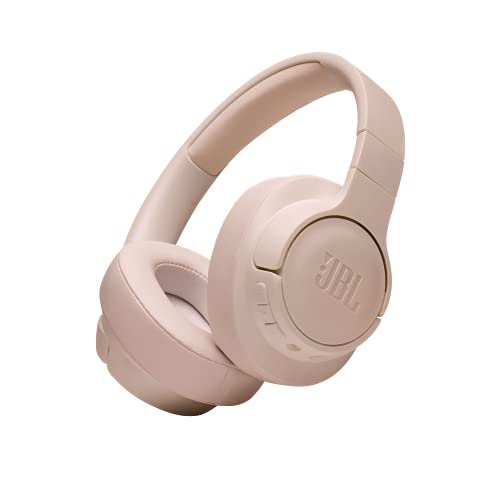 Over-ear headphones are among the most popular headphone design, and they are the first to receive the latest technologies, like active noise cancellation and apps that are companions. They also have a longer battery lifespan than on-ear and in-ear types because their larger earcups are able to fit larger batteries.
The best noise cancelling over ear headphones type of headphone for you is based on your individual needs and preferences. On-ear and in ear headphones are more comfortable to wear when working out or commuting than over-ear headphones. They are smaller and lighter and fold up to make space. On-ear models also provide greater stability than over ear headphones wireless-ears when wearing headphones during physical activities. They are more likely to have a longer battery life and can be easily replaced in the event of damage during exercise.
Comfort
The majority of people who wear headphones tend to choose either the ones that rest on the top over the Ear headphones of their ear or are positioned over them. Both choices have pros and cons when it comes to comfort. For example, over-ear headphones are an excellent choice to listen in noisy environments as they allow listeners to block out external noise. They can cause tiredness in the ear after long listening sessions. On the other hand, headphones on ear do not put pressure on your ears like over-ear models do however they don't provide the same isolation advantages. Many on-ear headphones have different ear tips so you can choose the best fit.
On-ear headphones can also be stored easily in a bag or backpack. They also have the benefit of being able to be used with wired and wireless connections. In contrast, over-ear headphones require more power since they require an airtight seal around the user's ears. After a while, they will feel heavier.
It is important to take into consideration all of these aspects when deciding on which kind of headphones is right for you. You may choose one style over another based on your budget, the media you listen to, the setting where you are and the environment where you're. In general, however, over-ear headphones offer slightly better audio quality than on-ear headphones and support ANC.
On-ear headphones provide the perfect balance of comfort and portability, but are also a great option for those who don't mind paying more for a better audio quality. They're also a great option for those who commute and need to listen to music and podcasts while on the move. On-ear headphones offer the benefit of being more lightweight and comfortable than their over-ear counterparts. Additionally, they can fold up to make it easy to store. However, they aren't as convenient to use with mobile devices because their ear cups don't rest directly on the ear, but rather on the back of the headband. If you don't secure your cups correctly they could fall off and create hot spots and pressure to your ears.
Portability
A quality pair of headphones is the 3rd most important piece of personal technology you can own, after your phone and computer. The type of headphones you pick - earbuds over-ear, in-ear or wireless - is based on personal preference and comfort. Budget is the primary consideration when choosing the best pair. The headphones you purchase will determine how much audio and music you can listen to, if you can be completely immersed in the sounds of your surroundings, and how long you can wear them for.
On-ear headphones typically have a longer battery life than earbuds or over-ear models. The smaller earpads make headphones lighter, which reduces battery consumption. The majority of on-ear headphones can be folded in order to make them compact and easy to put in a briefcase or backpack. They also comfortably fit on your head and neck, so you can wear them for longer periods without discomfort.
On-ear headphones are an excellent choice if you're planning to use headphones in public areas like gyms or offices where you must be aware of your surroundings. They usually block out a significant amount of ambient noise, although they may leak more than other types of headphones. Over-ear headphones, on contrary, are better for home or office usage because they are less likely to leak. They also offer the most private listening experience.
Over-ear headphones come with larger ear cups, which allow for larger drivers that can provide higher quality sound and more bass notes. The extra space in the earcups creates a larger and more spacious and less distortion in the soundstage. These headphones are more expensive than models with on-ears, but they offer a great value for audiophiles as well as music lovers.
Over-ear headphones are heavier than the on-ear ones and many models aren't foldable or come with a carrying case. Most over-ear headphones have a battery life of 40 hours or more on just one charge. Some even last longer with ANC turned off.
Over-ear headphones are a way to protect your ears, allowing for in Ear larger drivers and room to deliver a truly amazing sound. They are generally made for audiophiles and can be quite expensive.
They are usually foldable which makes them a great choice for traveling. They're also a great choice for workouts, as they don't heat up as much and don't place pressure on your ears.
Noise Cancellation
If you're going to spend some money on headphones, you must ensure that they have the best noise cancellation features possible. Over-ear headphones are ideal to do this since they seal your ears and block the majority of external noise. They also are more bulky than the ear headphones. Therefore, they may be a bit more difficult to fit into a small bag or backpack when traveling.
On-ear headphones are not ideal in terms of sound quality and noise cancellation, because they don't seal so tightly around your ears. This can allow some ambient noise to be able to escape into your surroundings, but it also allows you to be able to hear more of what's happening around you, which could be beneficial depending on your needs for listening.
Despite being the least portable headphones, over-ear ones are generally the most effective noise cancellation capabilities of the three most commonly used headphones. This is due to their large size, which allows bigger drivers to deliver better audio quality. The result is that they can produce a full range of frequencies with amazing clarity and detail. This is why over-ear headphones are the preferred choice for professionals in the music industry and audiophiles.
In addition to their superior audio quality, headphones that are over-ear are less likely to harm your hearing when worn for extended durations. This is due to the fact that earbuds could cause earwax to accumulate which can impact your hearing. Over-ear headphones are less likely to trigger this issue, as they are not so close to the eardrums.
Many over-ear headphones feature active noise cancellation technology. This helps to block out external sounds by creating opposite sound waves to those coming from your audio source. This is accomplished by series microphones that are placed inside the headphones. They are able to detect ambient sounds and then produce the opposite signal in order to eliminate the sound. This will depend on the way you listen to music and podcasts, and also if you listen in public.
Sound QualityA good pair of headphones is the most important piece of technology for many audiophiles. They allow us to listen to our favorite media and music in comfort, and isolate ourselves from the noise of others. There are many choices available today, ranging from basic earbuds to high-end audio monitors for musicians and engineers. However, the most sought-after headphone model is still the over ear model.
Over-ear headphones provide better sound quality. This is due to their larger drivers which create an even more spacious listening space. Over ear headphones are more comfortable than ear models, as they completely cover the ears. This helps prevent heat build-up and decreases pressure over time, which makes them suitable for long listening sessions.
Another advantage is that they are able to cancel out more background noise with their bigger earpads, which provide more successful passive noise cancellation than the on-ear and in-ear varieties. However, they're not perfect in this regard and can still leak some sound when listening in public or at the office.
On the other hand, over ear headphones can provide amazing sound quality, even when not using active noise cancellation or a Bluetooth connection. They provide a natural and balanced listening experience that can be adjusted through the equalizer feature in the audio app of the headphone or by selecting a option.
Compared to on-ear and in-ear headphones, models with over-ear earphones generally have the best bass response and the largest soundstage. They are also a great option for people who listen to the majority of dance or rock music because they reproduce bass with much greater volume.
Over-ear headphones are among the most popular headphone design, and they are the first to receive the latest technologies, like active noise cancellation and apps that are companions. They also have a longer battery lifespan than on-ear and in-ear types because their larger earcups are able to fit larger batteries.The best noise cancelling over ear headphones type of headphone for you is based on your individual needs and preferences. On-ear and in ear headphones are more comfortable to wear when working out or commuting than over-ear headphones. They are smaller and lighter and fold up to make space. On-ear models also provide greater stability than over ear headphones wireless-ears when wearing headphones during physical activities. They are more likely to have a longer battery life and can be easily replaced in the event of damage during exercise.
Comfort
The majority of people who wear headphones tend to choose either the ones that rest on the top over the Ear headphones of their ear or are positioned over them. Both choices have pros and cons when it comes to comfort. For example, over-ear headphones are an excellent choice to listen in noisy environments as they allow listeners to block out external noise. They can cause tiredness in the ear after long listening sessions. On the other hand, headphones on ear do not put pressure on your ears like over-ear models do however they don't provide the same isolation advantages. Many on-ear headphones have different ear tips so you can choose the best fit.
On-ear headphones can also be stored easily in a bag or backpack. They also have the benefit of being able to be used with wired and wireless connections. In contrast, over-ear headphones require more power since they require an airtight seal around the user's ears. After a while, they will feel heavier.
It is important to take into consideration all of these aspects when deciding on which kind of headphones is right for you. You may choose one style over another based on your budget, the media you listen to, the setting where you are and the environment where you're. In general, however, over-ear headphones offer slightly better audio quality than on-ear headphones and support ANC.
On-ear headphones provide the perfect balance of comfort and portability, but are also a great option for those who don't mind paying more for a better audio quality. They're also a great option for those who commute and need to listen to music and podcasts while on the move. On-ear headphones offer the benefit of being more lightweight and comfortable than their over-ear counterparts. Additionally, they can fold up to make it easy to store. However, they aren't as convenient to use with mobile devices because their ear cups don't rest directly on the ear, but rather on the back of the headband. If you don't secure your cups correctly they could fall off and create hot spots and pressure to your ears.
Portability
A quality pair of headphones is the 3rd most important piece of personal technology you can own, after your phone and computer. The type of headphones you pick - earbuds over-ear, in-ear or wireless - is based on personal preference and comfort. Budget is the primary consideration when choosing the best pair. The headphones you purchase will determine how much audio and music you can listen to, if you can be completely immersed in the sounds of your surroundings, and how long you can wear them for.
On-ear headphones typically have a longer battery life than earbuds or over-ear models. The smaller earpads make headphones lighter, which reduces battery consumption. The majority of on-ear headphones can be folded in order to make them compact and easy to put in a briefcase or backpack. They also comfortably fit on your head and neck, so you can wear them for longer periods without discomfort.
On-ear headphones are an excellent choice if you're planning to use headphones in public areas like gyms or offices where you must be aware of your surroundings. They usually block out a significant amount of ambient noise, although they may leak more than other types of headphones. Over-ear headphones, on contrary, are better for home or office usage because they are less likely to leak. They also offer the most private listening experience.
Over-ear headphones come with larger ear cups, which allow for larger drivers that can provide higher quality sound and more bass notes. The extra space in the earcups creates a larger and more spacious and less distortion in the soundstage. These headphones are more expensive than models with on-ears, but they offer a great value for audiophiles as well as music lovers.
Over-ear headphones are heavier than the on-ear ones and many models aren't foldable or come with a carrying case. Most over-ear headphones have a battery life of 40 hours or more on just one charge. Some even last longer with ANC turned off.
- 이전글What Leighton Buzzard Electricians Should Be Your Next Big Obsession? 23.11.06
- 다음글11 "Faux Pas" Which Are Actually OK To Use With Your Hyundai I30 Key Replacement 23.11.06
댓글목록
등록된 댓글이 없습니다.