
15 Unquestionably Reasons To Love Wood Burning Stove
페이지 정보

본문
Wood Burning Stoves Near Me
small wood burning stove stoves can help you reduce your energy bills. They also aid in active woodland management, which is beneficial to wildlife.
If they aren't installed and maintained correctly, they can produce carbon monoxide that poses health risks for the family. To avoid this, pick a wood stove that is EPA certified and features the latest technology to ensure safe operation.
Catalytic Stoves
A catalytic fireplace comes with a catalyst which looks like honeycomb. It converts wood smoke into water and carbon dioxide. This is a fantastic option for anyone looking to reduce the air pollution in their homes while saving money. They consume less fuel, burn faster and produce less creosote. However, they are more expensive to operate than non-catalytic models, and require regular maintenance of the combustion chamber.
Wood Stoves certified by the EPA
The EPA requires that wood stoves are designed in accordance with certain guidelines that reduce their emissions. According to these guidelines, catalytic stoves should not emit more than 7.5 grams per hour. This compares with 4.1 g/hr of smoke for a non catalytic stove. It's important to remember that lower emissions ratings do not necessarily translate into better efficiency in heating.
Sizing and Selection
It is crucial to make sure your wood stove is properly appropriate for the house where it will be installed. The wrong sized stove will not perform as intended and may even overheat. A properly sized stove improves the heat output and reduces emissions. The brochure: Buying an certified wood stove that is EPA-certified (PDF 530K), provides a convenient way to size and Wood Burning Stoves Near Me select the best wood multifuel stove.
Non-Catalytic and Catalytic stoves
The first wood stove made was an uncatalytic stove. They are also referred to as traditional wood burning stoves or open-fire stove stoves. The primary advantage of the non-catalytic stove is that it doesn't require an additional combustion to reduce emissions. However, a significant amount of wasted energy is lost in the form of smoke. The smoke from non-catalytic multifuel stoves is contaminated with a toxic substance called creosote. The catalytic wood heater has reduced the risks. The catalytic stove uses catalysts that burn the gases in the smoke to eliminate toxic creosote.
While the catalytic wood white electric stove was created to reduce toxic emissions however, it isn't as effective as the secondary burn system found in the non-catalytic stove. The catalyst does not completely burn the byproducts produced by burning wood and therefore still produces harmful fumes. The honeycomb structure may degrade over time. This could lead to a decrease in performance and the necessity for replacement.
Cleaning the Combustion Chamber Clean
A functioning catalytic combustor will have a light gray powdery appearance. It should be free of soot, ash or other tatty substances that would plug up the cells and decrease the surface area of catalytic reactions. The combustor should not be exposed to flame impingement. This can occur when a rapid, strong draft draws flames directly into a catalytic converter. This can also occur if the firebox door or ash pan's door has been left open.
It is important to inspect the catalytic combustion chamber regularly for physical damage or a need to replace. If the catalytic unit is damaged or needs to be replaced, it must be done as quickly as is feasible for optimal performance.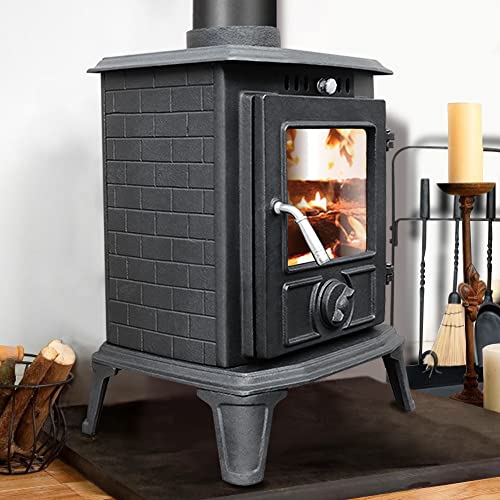
small wood burning stove stoves can help you reduce your energy bills. They also aid in active woodland management, which is beneficial to wildlife.
If they aren't installed and maintained correctly, they can produce carbon monoxide that poses health risks for the family. To avoid this, pick a wood stove that is EPA certified and features the latest technology to ensure safe operation.
Catalytic Stoves
A catalytic fireplace comes with a catalyst which looks like honeycomb. It converts wood smoke into water and carbon dioxide. This is a fantastic option for anyone looking to reduce the air pollution in their homes while saving money. They consume less fuel, burn faster and produce less creosote. However, they are more expensive to operate than non-catalytic models, and require regular maintenance of the combustion chamber.
Wood Stoves certified by the EPA
The EPA requires that wood stoves are designed in accordance with certain guidelines that reduce their emissions. According to these guidelines, catalytic stoves should not emit more than 7.5 grams per hour. This compares with 4.1 g/hr of smoke for a non catalytic stove. It's important to remember that lower emissions ratings do not necessarily translate into better efficiency in heating.
Sizing and Selection
It is crucial to make sure your wood stove is properly appropriate for the house where it will be installed. The wrong sized stove will not perform as intended and may even overheat. A properly sized stove improves the heat output and reduces emissions. The brochure: Buying an certified wood stove that is EPA-certified (PDF 530K), provides a convenient way to size and Wood Burning Stoves Near Me select the best wood multifuel stove.
Non-Catalytic and Catalytic stoves
The first wood stove made was an uncatalytic stove. They are also referred to as traditional wood burning stoves or open-fire stove stoves. The primary advantage of the non-catalytic stove is that it doesn't require an additional combustion to reduce emissions. However, a significant amount of wasted energy is lost in the form of smoke. The smoke from non-catalytic multifuel stoves is contaminated with a toxic substance called creosote. The catalytic wood heater has reduced the risks. The catalytic stove uses catalysts that burn the gases in the smoke to eliminate toxic creosote.
While the catalytic wood white electric stove was created to reduce toxic emissions however, it isn't as effective as the secondary burn system found in the non-catalytic stove. The catalyst does not completely burn the byproducts produced by burning wood and therefore still produces harmful fumes. The honeycomb structure may degrade over time. This could lead to a decrease in performance and the necessity for replacement.
Cleaning the Combustion Chamber Clean
A functioning catalytic combustor will have a light gray powdery appearance. It should be free of soot, ash or other tatty substances that would plug up the cells and decrease the surface area of catalytic reactions. The combustor should not be exposed to flame impingement. This can occur when a rapid, strong draft draws flames directly into a catalytic converter. This can also occur if the firebox door or ash pan's door has been left open.
It is important to inspect the catalytic combustion chamber regularly for physical damage or a need to replace. If the catalytic unit is damaged or needs to be replaced, it must be done as quickly as is feasible for optimal performance.
- 이전글15 Gifts For The Mesothelioma Case Lover In Your Life 23.11.29
- 다음글Just How Can One Assess The Sense Of Community Within A Condominium Complicated? 23.11.29
댓글목록
등록된 댓글이 없습니다.