
Four Amphetamine Addiction Mistakes That Will Cost You $1m Over The Ne…
페이지 정보

본문
Introduction:
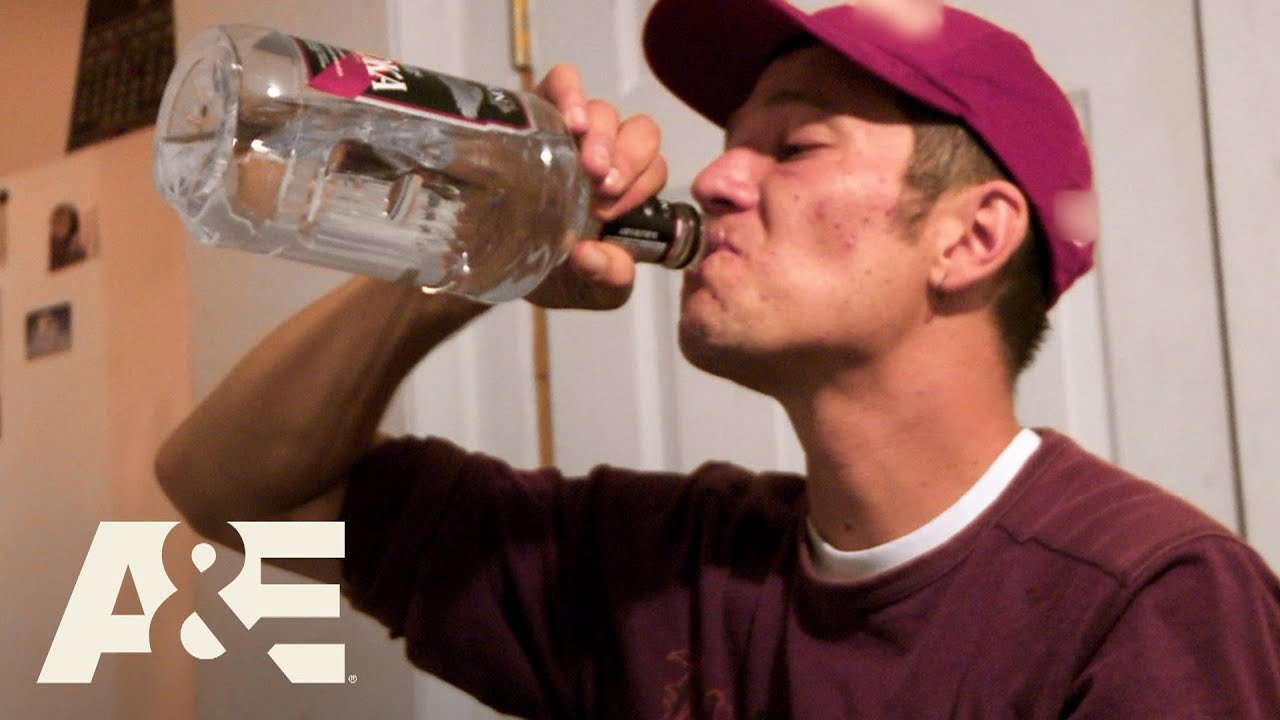
Alcohol withdrawal is a condition which takes place when people suddenly stop or somewhat lower their alcoholic beverages intake after prolonged times of heavy drinking. It really is a complex and possibly life-threatening condition that affects thousands of people worldwide. This report aims to supply a comprehensive summary of alcohol withdrawal, including its signs, treatments, and management techniques.
 Apparent symptoms of Alcohol Withdrawal:
The beginning and extent of alcoholic beverages detachment symptoms differ among individuals, based on factors like the quantity and period of drinking and ones own overall health. Typical observable symptoms include tremors, anxiety, frustration, nausea, vomiting, insomnia, increased heart rate, and sweating. In severe situations, individuals may experience hallucinations, seizures, or delirium tremens (DTs), a potentially deadly problem characterized by agitation, confusion, hallucinations, and fluctuating amounts of awareness.
 Treatments:
When working with liquor withdrawal, it is crucial to look for health assistance and assistance. The primary aim of treatment solutions are to properly handle withdrawal symptoms, prevent complications, and facilitate the change to sobriety. Medical experts can measure the extent of symptoms and discover the right amount of attention. In moderate instances, outpatient therapy are administered, while worse cases may require hospitalization.
Medications widely used in alcohol withdrawal therapy include benzodiazepines, that assist lower anxiety, relieve symptoms, preventing seizures. Various other medicines like antipsychotics, anticonvulsants, and beta-blockers is utilized to handle particular symptoms or co-occurring circumstances. Furthermore, nutritional vitamin supplements, specifically thiamine (vitamin B1), are often recommended to stop or treat potential deficiencies associated with excessive alcohol consumption.
Management Strategies:
And medical interventions, different strategies can be used to manage alcoholic beverages detachment effectively.
 1. Supportive Care: Providing a supportive environment promotes a feeling of safety and comfort. Including guaranteeing appropriate nourishment, hydration, and sleep, and monitoring important indications and handling any health problems that may occur during withdrawal.
2. Psychotherapy: looking for psychological state support, like counseling or psychotherapy, can play a crucial role in handling main mental or mental issues that play a role in alcoholic beverages dependency. These treatments assist individuals develop coping methods, control causes, and establish healthy options to alcohol.
3. Rehabilitation products: Engaging in rehab programs, like inpatient or outpatient centers, can offer a structured and supportive environment for people seeking long-lasting recovery. These programs frequently combine medical treatments, guidance, and peer help to handle the physical, emotional, and personal components of liquor Addiction Treatment.
4. Follow-up Care: After finishing preliminary detox and therapy, people should continue steadily to seek ongoing treatment. This may include taking part in support groups, attending regular treatment sessions, and obtaining follow-up evaluations to make certain correct actual and mental health.
Conclusion:
Alcohol detachment is a challenging condition that requires medical assistance and comprehensive assistance. Comprehending the signs, treatment options, and administration methods can greatly facilitate assisting individuals safely navigate the detachment process and achieve long-term recovery. By providing proper attention and resources, we can increase the effects for many wanting to overcome liquor addiction.
Alcohol withdrawal is a condition which takes place when people suddenly stop or somewhat lower their alcoholic beverages intake after prolonged times of heavy drinking. It really is a complex and possibly life-threatening condition that affects thousands of people worldwide. This report aims to supply a comprehensive summary of alcohol withdrawal, including its signs, treatments, and management techniques.
Apparent symptoms of Alcohol Withdrawal:The beginning and extent of alcoholic beverages detachment symptoms differ among individuals, based on factors like the quantity and period of drinking and ones own overall health. Typical observable symptoms include tremors, anxiety, frustration, nausea, vomiting, insomnia, increased heart rate, and sweating. In severe situations, individuals may experience hallucinations, seizures, or delirium tremens (DTs), a potentially deadly problem characterized by agitation, confusion, hallucinations, and fluctuating amounts of awareness.
Treatments:When working with liquor withdrawal, it is crucial to look for health assistance and assistance. The primary aim of treatment solutions are to properly handle withdrawal symptoms, prevent complications, and facilitate the change to sobriety. Medical experts can measure the extent of symptoms and discover the right amount of attention. In moderate instances, outpatient therapy are administered, while worse cases may require hospitalization.
Medications widely used in alcohol withdrawal therapy include benzodiazepines, that assist lower anxiety, relieve symptoms, preventing seizures. Various other medicines like antipsychotics, anticonvulsants, and beta-blockers is utilized to handle particular symptoms or co-occurring circumstances. Furthermore, nutritional vitamin supplements, specifically thiamine (vitamin B1), are often recommended to stop or treat potential deficiencies associated with excessive alcohol consumption.
Management Strategies:
And medical interventions, different strategies can be used to manage alcoholic beverages detachment effectively.
1. Supportive Care: Providing a supportive environment promotes a feeling of safety and comfort. Including guaranteeing appropriate nourishment, hydration, and sleep, and monitoring important indications and handling any health problems that may occur during withdrawal.2. Psychotherapy: looking for psychological state support, like counseling or psychotherapy, can play a crucial role in handling main mental or mental issues that play a role in alcoholic beverages dependency. These treatments assist individuals develop coping methods, control causes, and establish healthy options to alcohol.
3. Rehabilitation products: Engaging in rehab programs, like inpatient or outpatient centers, can offer a structured and supportive environment for people seeking long-lasting recovery. These programs frequently combine medical treatments, guidance, and peer help to handle the physical, emotional, and personal components of liquor Addiction Treatment.
4. Follow-up Care: After finishing preliminary detox and therapy, people should continue steadily to seek ongoing treatment. This may include taking part in support groups, attending regular treatment sessions, and obtaining follow-up evaluations to make certain correct actual and mental health.
Conclusion:
Alcohol detachment is a challenging condition that requires medical assistance and comprehensive assistance. Comprehending the signs, treatment options, and administration methods can greatly facilitate assisting individuals safely navigate the detachment process and achieve long-term recovery. By providing proper attention and resources, we can increase the effects for many wanting to overcome liquor addiction.
- 이전글Законодатель. Том 2. От Анахарсиса до Танатоса (Владимир Горохов). - Скачать | Читать книгу онлайн 23.12.26
- 다음글12 Must See Girlfriend In Pattaya Chiang Mai Thailand Facts To Get You Thinking About The Water Cooler 23.12.26
댓글목록
등록된 댓글이 없습니다.