
Ten Key Tactics The Pros Use For Heroin Addiction
페이지 정보

본문
Introduction:
Marijuana, also called cannabis or weed, the most trusted illicit medicines globally. With an ever-increasing push for legalization in many nations, it is crucial to know the potential dangers involving cannabis addiction. This report is designed to provide an extensive breakdown of marijuana addiction, highlighting its results on individuals and society.
Marijuana Addiction: Definition and Prevalence:
Marijuana addiction, also known as cannabis make use of condition (CUD), is a condition described as an individual's compulsive cannabis usage despite experiencing bad effects. According to the World Drug Report 2021 published by the un workplace on medication and Crime, around 5.7 million men and women globally suffer with marijuana conditions. This staggering figure emphasizes the need to address this developing problem.
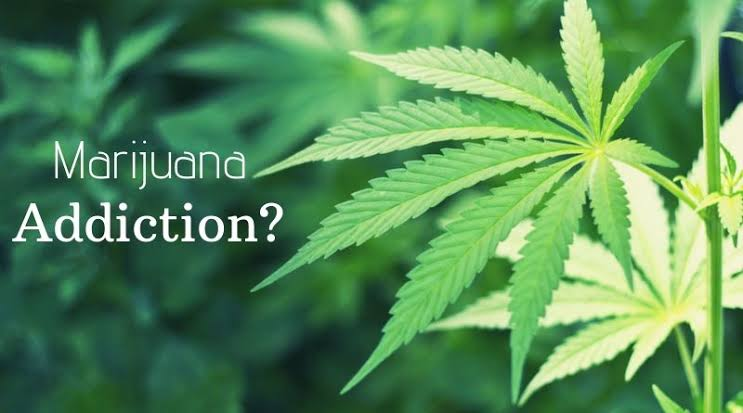 Psychological and Bodily Issues:
The psychoactive ingredient in cannabis, delta-9-tetrahydrocannabinol (THC), affects the brain's reward system, resulting in addictive behaviors. Constant marijuana usage trigger various mental effects including impaired memory, decreased concentration, and changed view. Furthermore, physical effects feature breathing problems, increased heartrate, and potential lung harm from smoking.
Dependency and Withdrawal Warning Signs:
Regular cannabis usage may cause dependency, with individuals experiencing detachment signs upon cessation. These signs can include frustration, anxiety, sleeplessness, lack of desire for food, and intense cravings for marijuana. The severity and duration of withdrawal symptoms can differ depending on the level of addiction and individual aspects.
Effect on Mental Health:
Marijuana addiction is often linked to psychological state dilemmas. Studies have shown an increased threat of developing psychological health problems such as for example despair, anxiety, and psychosis among heavy marijuana users. Moreover, people with pre-existing mental health problems may experience worsened symptoms as a result of prolonged marijuana usage, exacerbating their particular overall well-being.
Social Implications:
Marijuana addiction not merely impacts individuals but has wider personal implications as well. Prolonged marijuana usage can lead to impaired Cognitive Behavioural Therapy (Thrivinonplants.Com) performance, impacting educational and work-related performance. In addition, addiction can stress connections with friends, household, and peers, leading to personal separation. It would likely can also increase the possibilities of doing dangerous behaviors and unlawful activities, more affecting societal wellbeing.
Treatment and Intervention:
Dealing with marijuana addiction typically requires a mixture of behavioral treatments, guidance, and organizations. Cognitive-behavioral treatment (CBT) can be employed to help people know causes, develop dealing strategies, and alter addicting behaviors. Also, motivational interviewing and community-based programs can provide important assistance during recovery process.
Summary:
Marijuana addiction is a concerning concern that requires interest from healthcare providers, policymakers, and society in general. It is vital to acknowledge the potential dangers involving cannabis usage, especially the development of addiction. Promoting general public awareness, early input, and usage of effective treatments are crucial actions in mitigating the negative effects of marijuana addiction. Only by addressing this dilemma comprehensively can we work towards a wholesome and more informed community.
Marijuana, also called cannabis or weed, the most trusted illicit medicines globally. With an ever-increasing push for legalization in many nations, it is crucial to know the potential dangers involving cannabis addiction. This report is designed to provide an extensive breakdown of marijuana addiction, highlighting its results on individuals and society.
Marijuana Addiction: Definition and Prevalence:
Marijuana addiction, also known as cannabis make use of condition (CUD), is a condition described as an individual's compulsive cannabis usage despite experiencing bad effects. According to the World Drug Report 2021 published by the un workplace on medication and Crime, around 5.7 million men and women globally suffer with marijuana conditions. This staggering figure emphasizes the need to address this developing problem.
Psychological and Bodily Issues:The psychoactive ingredient in cannabis, delta-9-tetrahydrocannabinol (THC), affects the brain's reward system, resulting in addictive behaviors. Constant marijuana usage trigger various mental effects including impaired memory, decreased concentration, and changed view. Furthermore, physical effects feature breathing problems, increased heartrate, and potential lung harm from smoking.
Dependency and Withdrawal Warning Signs:
Regular cannabis usage may cause dependency, with individuals experiencing detachment signs upon cessation. These signs can include frustration, anxiety, sleeplessness, lack of desire for food, and intense cravings for marijuana. The severity and duration of withdrawal symptoms can differ depending on the level of addiction and individual aspects.
Effect on Mental Health:
Marijuana addiction is often linked to psychological state dilemmas. Studies have shown an increased threat of developing psychological health problems such as for example despair, anxiety, and psychosis among heavy marijuana users. Moreover, people with pre-existing mental health problems may experience worsened symptoms as a result of prolonged marijuana usage, exacerbating their particular overall well-being.
Social Implications:
Marijuana addiction not merely impacts individuals but has wider personal implications as well. Prolonged marijuana usage can lead to impaired Cognitive Behavioural Therapy (Thrivinonplants.Com) performance, impacting educational and work-related performance. In addition, addiction can stress connections with friends, household, and peers, leading to personal separation. It would likely can also increase the possibilities of doing dangerous behaviors and unlawful activities, more affecting societal wellbeing.
Treatment and Intervention:
Dealing with marijuana addiction typically requires a mixture of behavioral treatments, guidance, and organizations. Cognitive-behavioral treatment (CBT) can be employed to help people know causes, develop dealing strategies, and alter addicting behaviors. Also, motivational interviewing and community-based programs can provide important assistance during recovery process.
Summary:
Marijuana addiction is a concerning concern that requires interest from healthcare providers, policymakers, and society in general. It is vital to acknowledge the potential dangers involving cannabis usage, especially the development of addiction. Promoting general public awareness, early input, and usage of effective treatments are crucial actions in mitigating the negative effects of marijuana addiction. Only by addressing this dilemma comprehensively can we work towards a wholesome and more informed community.
- 이전글Creación de valor compartido en organizaciones cooperativas de la región Caribe colombiana (Alexander Daza Corredor). - Скачать | Читать книгу онлайн 23.12.31
- 다음글Three Ways You Can Eliminate Luxury Alcohol Rehab Out Of Your Business 23.12.31
댓글목록
등록된 댓글이 없습니다.