
Remember Your First Thailand Retreat Mental Health Lesson? I've Bought…
페이지 정보

본문
Introduction
Drug addiction is a complex and pervading problem that impacts people, families, and societies globally. It's described as the compulsive use of medications despite their particular harmful consequences. Medication addiction is an international issue that transcends cultural, personal, and financial boundaries, affecting individuals of all centuries, races, and backgrounds. This report aims to provide a brief overview of drug addiction, highlighting its causes, effects, and possible solutions.
Causes of Drug Addiction
Different facets play a role in the development of medicine addiction, including hereditary, ecological, and behavioral elements. Genetics may play a role in identifying ones own susceptibility to addiction. Research shows that particular genetic factors may make particular people prone to getting dependent on drugs. Environmental elements, such as for instance exposure to drug abuse inside the family members or community, also play a substantial part. In addition, emotional and social factors, including tension, mental health dilemmas, and peer pressure, can donate to addiction.
Results of Drug Addiction
Medication addiction features serious repercussions on individuals and community as a whole. At a person degree, medicine addiction can substantially impair your physical and mental health. Substance abuse may cause persistent diseases, including liver and lung harm, heart related illnesses, and a heightened chance of infectious conditions like HIV/AIDS. More over, medicine addiction usually results in emotional problems like depression, anxiety, and psychosis. Additionally, addiction can stress individual connections, cause financial instability, and increase the likelihood of unlawful participation.
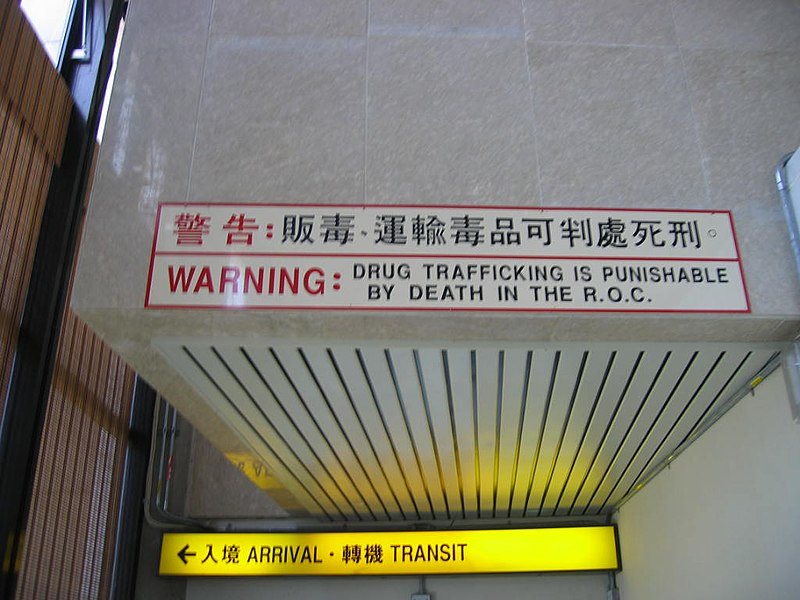 On a broader scale, medicine addiction places a considerable burden on community. It impacts healthcare methods, as addiction-related medical treatments and rehabilitation programs are often costly. In addition, medicine addiction contributes to increased criminal activity prices, as individuals may turn to unlawful tasks to sustain their particular addiction. Also, drug-related accidents and impaired productivity hinder economic development and development.
Possible Solutions
Dealing with medicine addiction requires an extensive and multi-faceted strategy. Avoidance efforts should give attention to knowledge and increasing understanding in regards to the threats of drug abuse. Effective methods consist of school-based prevention programs, community awareness campaigns, and specific interventions for vulnerable communities.
In addition, therapy and rehab choices must be made available and inexpensive to any or all those struggling with medication addiction. This involves establishing rehab centers, providing guidance and therapy, and guaranteeing the option of medication-assisted treatment techniques including methadone or buprenorphine. Support sites and aftercare programs will also be vital in making sure long-term recovery.
Moreover, there was a need for stricter legislation and control inside pharmaceutical industry to stop the abuse of prescription medications. Guaranteeing the availability of alternate pain administration practices can reduce the reliance on opioids, reducing the risk of addiction.
Conclusion
 Medicine addiction is a complex concern with powerful effects for people and community. Its reasons are multi-faceted and require multiple methods to prevention and treatment for addictions thailand. By increasing awareness, enhancing knowledge, increasing accessibility treatment, and applying stricter regulations, culture may take considerable actions toward decreasing the prevalence and impact of drug addiction. Combating drug addiction necessitates collective attempts from governing bodies, healthcare specialists, communities, and people to mitigate its results and provide help to those affected.
Drug addiction is a complex and pervading problem that impacts people, families, and societies globally. It's described as the compulsive use of medications despite their particular harmful consequences. Medication addiction is an international issue that transcends cultural, personal, and financial boundaries, affecting individuals of all centuries, races, and backgrounds. This report aims to provide a brief overview of drug addiction, highlighting its causes, effects, and possible solutions.
Causes of Drug Addiction
Different facets play a role in the development of medicine addiction, including hereditary, ecological, and behavioral elements. Genetics may play a role in identifying ones own susceptibility to addiction. Research shows that particular genetic factors may make particular people prone to getting dependent on drugs. Environmental elements, such as for instance exposure to drug abuse inside the family members or community, also play a substantial part. In addition, emotional and social factors, including tension, mental health dilemmas, and peer pressure, can donate to addiction.
Results of Drug Addiction
Medication addiction features serious repercussions on individuals and community as a whole. At a person degree, medicine addiction can substantially impair your physical and mental health. Substance abuse may cause persistent diseases, including liver and lung harm, heart related illnesses, and a heightened chance of infectious conditions like HIV/AIDS. More over, medicine addiction usually results in emotional problems like depression, anxiety, and psychosis. Additionally, addiction can stress individual connections, cause financial instability, and increase the likelihood of unlawful participation.
On a broader scale, medicine addiction places a considerable burden on community. It impacts healthcare methods, as addiction-related medical treatments and rehabilitation programs are often costly. In addition, medicine addiction contributes to increased criminal activity prices, as individuals may turn to unlawful tasks to sustain their particular addiction. Also, drug-related accidents and impaired productivity hinder economic development and development.Possible Solutions
Dealing with medicine addiction requires an extensive and multi-faceted strategy. Avoidance efforts should give attention to knowledge and increasing understanding in regards to the threats of drug abuse. Effective methods consist of school-based prevention programs, community awareness campaigns, and specific interventions for vulnerable communities.
In addition, therapy and rehab choices must be made available and inexpensive to any or all those struggling with medication addiction. This involves establishing rehab centers, providing guidance and therapy, and guaranteeing the option of medication-assisted treatment techniques including methadone or buprenorphine. Support sites and aftercare programs will also be vital in making sure long-term recovery.
Moreover, there was a need for stricter legislation and control inside pharmaceutical industry to stop the abuse of prescription medications. Guaranteeing the availability of alternate pain administration practices can reduce the reliance on opioids, reducing the risk of addiction.
Conclusion
Medicine addiction is a complex concern with powerful effects for people and community. Its reasons are multi-faceted and require multiple methods to prevention and treatment for addictions thailand. By increasing awareness, enhancing knowledge, increasing accessibility treatment, and applying stricter regulations, culture may take considerable actions toward decreasing the prevalence and impact of drug addiction. Combating drug addiction necessitates collective attempts from governing bodies, healthcare specialists, communities, and people to mitigate its results and provide help to those affected.- 이전글Classic Interior Styles Defined 24.01.07
- 다음글2024 Is The Yr Of Jintara Rehab Chiang Mai Price 24.01.07
댓글목록
등록된 댓글이 없습니다.