
Website Optimization: What's The Only Thing Nobody Is Talking About
페이지 정보

본문
What is Website Optimization?
Website optimization is the process of enhancing your web presence to increase conversions, traffic and search optimization services rankings on search engines. This can be accomplished through a variety of strategies, such as keyword research, site structure and on-page seo search optimization.
This means optimizing the online experience for your customers by reducing load time and using multivariate or A/B testing.
Page Speed
Page speed is a crucial element in optimizing a website's performance. It is essential because Google prioritizes websites that load quickly for users, which in turn helps their rankings. A slow loading website can also discourage users from staying on your site, leading to more bounce rates and a lower conversion rate. If you want to see more leads and sales from your website, then you should concentrate on improving your site's speed.
Slow websites are not just irritating to users however, they can be costly to businesses. According to research, if your website takes more than three seconds to load, you'll see a 32% rise in the number of people who abandon it. This can cost your business thousands of dollars in lost revenue.
The good news is that you can increase your page speed by making just a few modifications. One of the best methods to achieve this is by reducing the size of your website's files. This will help your website run faster and decrease the chances of errors caused by large files. TinyPNG is one of the many tools that can help.
Another method to increase the speed of your website is to eliminate code bloat, or unneeded features that slow down your website. This can be accomplished by using lightweight frameworks, and removing plugins that are not necessary for your site. Finally, you can reduce your loading time by using the CDN (content delivery network) to cache your content. This will make your site load faster for users from different locations.
Google has said that page speed is a ranking factor for search results since 2010, and it is expected to become more important in 2021. A slow website will make visitors leave your site, which will adversely affect your SEO rankings. They may also choose to go to a competitor's website which is more responsive.
To gauge the speed of your site using Google's Page Speed Insights tool. This tool will provide you with a score and diagnose any issues that cause your website to load slowly. The tool also breaks down the metrics down into categories, so that you can concentrate on the most important aspects. For instance a low First Meaningful Paint metric means that your page is taking too long to load.
Mobile Usability
Mobile usability is a crucial aspect of optimizing your website as mobile users tend not to stay on websites that are difficult. In 2020, Americans will spend 4 hours per day on their mobile devices, so making your mobile website user-friendly is crucial.
Mobile user experience (UX) is, on other hand, is quite different than desktop design. It's all about what users do with their fingers and not a keyboard or mouse. Mobile website designs should be designed to be user-friendly and easy to use.
The factors that affect UX and mobile web optimization include text size, clickable elements, and loading time. The size of the viewport is specified in the website's HTML header, and it determines how your website will appear on mobile devices. Text size is a crucial UX factor on mobile devices because it guarantees that your content can be read on small screens. Clickable elements are important for ensuring that mobile users can click on the appropriate buttons and links and load speed is an issue due to the fact that people do not have a long attention span when they browse on their phones.
To assess the mobile usability of your site, you can use Google's Mobile-Friendly Test tool. This tool lets you to test your pages individually to determine if they are suffering from common mobile issues like too small text or close-together clickable elements.
Another method of determining mobile usability issues is by tracking the traffic from devices on your website. You can do this by going to the "Device Category" report in Google Analytics. This will allow you to keep track of mobile traffic and identify any sudden fluctuations that could signal the need for improvement in your site's mobile-friendly optimization. You can also utilize Ahrefs’ rank tracker to determine the position of your website across all devices and engines. Just remember that rankings can be a bit different between mobile and desktop and it's crucial to be aware of both when you're evaluating your website's performance. Also, remember that mobile-friendly sites are usually awarded with higher visibility in SERPs.
You can also find out more about SEO by clicking here.
SEO stands for search engine optimization A set of practices that affect how a site ranks in organic searches on major search engines. It involves optimizing the content by conducting keyword research, as well as earning inbound links to boost the visibility of a website.
While the technology behind search engines is constantly evolving however, a lot of the processes and techniques are fairly stable. This is especially true when it comes to technical aspects of a website, such as speed and mobile-friendly. Making sure that you are up to date with the latest changes is crucial for owners of websites, as they could be unable to rank in search engine results without making adjustments.
There are three major categories that comprise SEO including content, technical and off-site. The first two categories, technical and content, are aspects that businesses have control over. The third off-site is the aspect of SEO which involves activities that are not part of a website's domain. Content, off-page, and on-page SEO all contribute to higher rankings on search engine result pages (SERPs).
If a local company sells donuts for instance it should be found on the top of searches for "doughnut shop Amsterdam" to attract customers and increase sales.
The most important elements in SEO on-page are keywords and meta-tags, like meta descriptions and title tags. They should also have keyword-rich content in the body of the page as well as a clearly defined URL slug, which must include the targeted keyword. The majority of CMS platforms, including WordPress, provide an add-on called Yoast that optimizes on-page content.
Speed of page loading is a different factor that determines the amount of time it takes to load the website. A website that is slow to load can be annoying for users and could negatively impact the experience of visitors. Google's PageSpeed Insights is a excellent tool to assess how quickly or slow your website loads, and provide suggestions on how to improve it.
Off-page SEO is a component of seo Website optimization (http://www.gabiz.kr/g5/bbs/Board.php?bo_table=free&wr_id=1255926) that focuses on activities other than a website. For instance linking building, guest blogging, and social media marketing. While these actions can boost a website’s ranking but they cannot guarantee that it will appear at the top of the SERPs.
Content Marketing
Content marketing has come into its own in recent times, as it has proven to be an effective method to engage customers and generate leads for companies of all sizes. It has a high ROI, and the results tend to be long-term. It also is much less expensive than traditional advertising techniques.
But, in order for your content to be effective, it must be optimized to the highest level. This means that you ensure that your content contains relevant keywords, and is organized with a clear structure. It also involves using proper metadata and tagging to aid search engines in understanding what your content is about. In addition, it is crucial to include videos and images in your content.
A well-planned strategy for optimizing your website will result in a better position on search engine result pages (SERPs) which will ultimately drive more traffic to your site. It can also increase the visibility of your brand and increase the image of your product and service. A poorly optimized site can have the opposite impact, resulting in a lower ranking or fewer visitors.
There are many companies that specialize in enhancing websites and creating an effective content strategy. They can assist you in analyzing your current practices in technology and content, develop a strategy, place PPC ads, and manage your website. They can also optimize your existing content, and write new blogs and articles that are SEO-friendly.
As the popularity of digital marketing grows the need to optimize the website's performance is increasing. This is a vital step in the growth of your business, and it can help you reach your goals for growth. These tips will help keep your website up-to date and ensure the best user experience possible for your visitors.
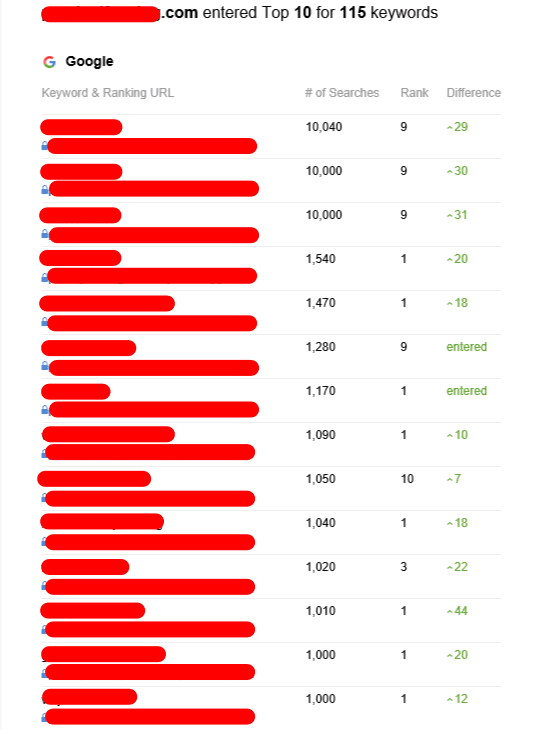 In a world where customers can choose from a wide variety of services and products, it is important to stand out from your competition by providing unique and valuable content. This could be in the form of blog posts as well as infographics, video clips and more. You can make use of tools like rellify in order to find and create content that will rank top on search results pages.
Website optimization is the process of enhancing your web presence to increase conversions, traffic and search optimization services rankings on search engines. This can be accomplished through a variety of strategies, such as keyword research, site structure and on-page seo search optimization.
This means optimizing the online experience for your customers by reducing load time and using multivariate or A/B testing.
Page Speed
Page speed is a crucial element in optimizing a website's performance. It is essential because Google prioritizes websites that load quickly for users, which in turn helps their rankings. A slow loading website can also discourage users from staying on your site, leading to more bounce rates and a lower conversion rate. If you want to see more leads and sales from your website, then you should concentrate on improving your site's speed.
Slow websites are not just irritating to users however, they can be costly to businesses. According to research, if your website takes more than three seconds to load, you'll see a 32% rise in the number of people who abandon it. This can cost your business thousands of dollars in lost revenue.
The good news is that you can increase your page speed by making just a few modifications. One of the best methods to achieve this is by reducing the size of your website's files. This will help your website run faster and decrease the chances of errors caused by large files. TinyPNG is one of the many tools that can help.
Another method to increase the speed of your website is to eliminate code bloat, or unneeded features that slow down your website. This can be accomplished by using lightweight frameworks, and removing plugins that are not necessary for your site. Finally, you can reduce your loading time by using the CDN (content delivery network) to cache your content. This will make your site load faster for users from different locations.
Google has said that page speed is a ranking factor for search results since 2010, and it is expected to become more important in 2021. A slow website will make visitors leave your site, which will adversely affect your SEO rankings. They may also choose to go to a competitor's website which is more responsive.
To gauge the speed of your site using Google's Page Speed Insights tool. This tool will provide you with a score and diagnose any issues that cause your website to load slowly. The tool also breaks down the metrics down into categories, so that you can concentrate on the most important aspects. For instance a low First Meaningful Paint metric means that your page is taking too long to load.
Mobile Usability
Mobile usability is a crucial aspect of optimizing your website as mobile users tend not to stay on websites that are difficult. In 2020, Americans will spend 4 hours per day on their mobile devices, so making your mobile website user-friendly is crucial.
Mobile user experience (UX) is, on other hand, is quite different than desktop design. It's all about what users do with their fingers and not a keyboard or mouse. Mobile website designs should be designed to be user-friendly and easy to use.
The factors that affect UX and mobile web optimization include text size, clickable elements, and loading time. The size of the viewport is specified in the website's HTML header, and it determines how your website will appear on mobile devices. Text size is a crucial UX factor on mobile devices because it guarantees that your content can be read on small screens. Clickable elements are important for ensuring that mobile users can click on the appropriate buttons and links and load speed is an issue due to the fact that people do not have a long attention span when they browse on their phones.
To assess the mobile usability of your site, you can use Google's Mobile-Friendly Test tool. This tool lets you to test your pages individually to determine if they are suffering from common mobile issues like too small text or close-together clickable elements.
Another method of determining mobile usability issues is by tracking the traffic from devices on your website. You can do this by going to the "Device Category" report in Google Analytics. This will allow you to keep track of mobile traffic and identify any sudden fluctuations that could signal the need for improvement in your site's mobile-friendly optimization. You can also utilize Ahrefs’ rank tracker to determine the position of your website across all devices and engines. Just remember that rankings can be a bit different between mobile and desktop and it's crucial to be aware of both when you're evaluating your website's performance. Also, remember that mobile-friendly sites are usually awarded with higher visibility in SERPs.
You can also find out more about SEO by clicking here.
SEO stands for search engine optimization A set of practices that affect how a site ranks in organic searches on major search engines. It involves optimizing the content by conducting keyword research, as well as earning inbound links to boost the visibility of a website.
While the technology behind search engines is constantly evolving however, a lot of the processes and techniques are fairly stable. This is especially true when it comes to technical aspects of a website, such as speed and mobile-friendly. Making sure that you are up to date with the latest changes is crucial for owners of websites, as they could be unable to rank in search engine results without making adjustments.
There are three major categories that comprise SEO including content, technical and off-site. The first two categories, technical and content, are aspects that businesses have control over. The third off-site is the aspect of SEO which involves activities that are not part of a website's domain. Content, off-page, and on-page SEO all contribute to higher rankings on search engine result pages (SERPs).
If a local company sells donuts for instance it should be found on the top of searches for "doughnut shop Amsterdam" to attract customers and increase sales.
The most important elements in SEO on-page are keywords and meta-tags, like meta descriptions and title tags. They should also have keyword-rich content in the body of the page as well as a clearly defined URL slug, which must include the targeted keyword. The majority of CMS platforms, including WordPress, provide an add-on called Yoast that optimizes on-page content.
Speed of page loading is a different factor that determines the amount of time it takes to load the website. A website that is slow to load can be annoying for users and could negatively impact the experience of visitors. Google's PageSpeed Insights is a excellent tool to assess how quickly or slow your website loads, and provide suggestions on how to improve it.
Off-page SEO is a component of seo Website optimization (http://www.gabiz.kr/g5/bbs/Board.php?bo_table=free&wr_id=1255926) that focuses on activities other than a website. For instance linking building, guest blogging, and social media marketing. While these actions can boost a website’s ranking but they cannot guarantee that it will appear at the top of the SERPs.
Content Marketing
Content marketing has come into its own in recent times, as it has proven to be an effective method to engage customers and generate leads for companies of all sizes. It has a high ROI, and the results tend to be long-term. It also is much less expensive than traditional advertising techniques.
But, in order for your content to be effective, it must be optimized to the highest level. This means that you ensure that your content contains relevant keywords, and is organized with a clear structure. It also involves using proper metadata and tagging to aid search engines in understanding what your content is about. In addition, it is crucial to include videos and images in your content.
A well-planned strategy for optimizing your website will result in a better position on search engine result pages (SERPs) which will ultimately drive more traffic to your site. It can also increase the visibility of your brand and increase the image of your product and service. A poorly optimized site can have the opposite impact, resulting in a lower ranking or fewer visitors.
There are many companies that specialize in enhancing websites and creating an effective content strategy. They can assist you in analyzing your current practices in technology and content, develop a strategy, place PPC ads, and manage your website. They can also optimize your existing content, and write new blogs and articles that are SEO-friendly.
As the popularity of digital marketing grows the need to optimize the website's performance is increasing. This is a vital step in the growth of your business, and it can help you reach your goals for growth. These tips will help keep your website up-to date and ensure the best user experience possible for your visitors.
In a world where customers can choose from a wide variety of services and products, it is important to stand out from your competition by providing unique and valuable content. This could be in the form of blog posts as well as infographics, video clips and more. You can make use of tools like rellify in order to find and create content that will rank top on search results pages.- 이전글Все генералы Сталина Авиация. Том 21 (Денис Юрьевич Соловьев). 2021 - Скачать | Читать книгу онлайн 24.01.12
- 다음글Unveiling Rarity: Bunny MM2's Trading Glory 24.01.12
댓글목록
등록된 댓글이 없습니다.