
Five Awesome Tips About Alcohol Dependence Treatment Thailand From Unl…
페이지 정보

본문
 Introduction:
Alcohol detachment is a state of being which occurs when people suddenly stop or dramatically decrease their alcohol intake after extended durations of heavy drinking. It is a complex and potentially life-threatening condition that impacts huge numbers of people worldwide. This report is designed to offer a thorough breakdown of liquor detachment, including its symptoms, treatments, and administration methods.
The signs of alcohol Dependence treatment thailand Withdrawal:
The beginning and severity of liquor detachment signs vary among people, depending on elements for instance the quantity and length of drinking and ones own health. Common observable symptoms include tremors, anxiety, irritability, sickness, vomiting, insomnia, increased heartrate, and sweating. In severe cases, individuals may experience hallucinations, seizures, or delirium tremens (DTs), a potentially fatal problem described as agitation, confusion, hallucinations, and fluctuating quantities of awareness.
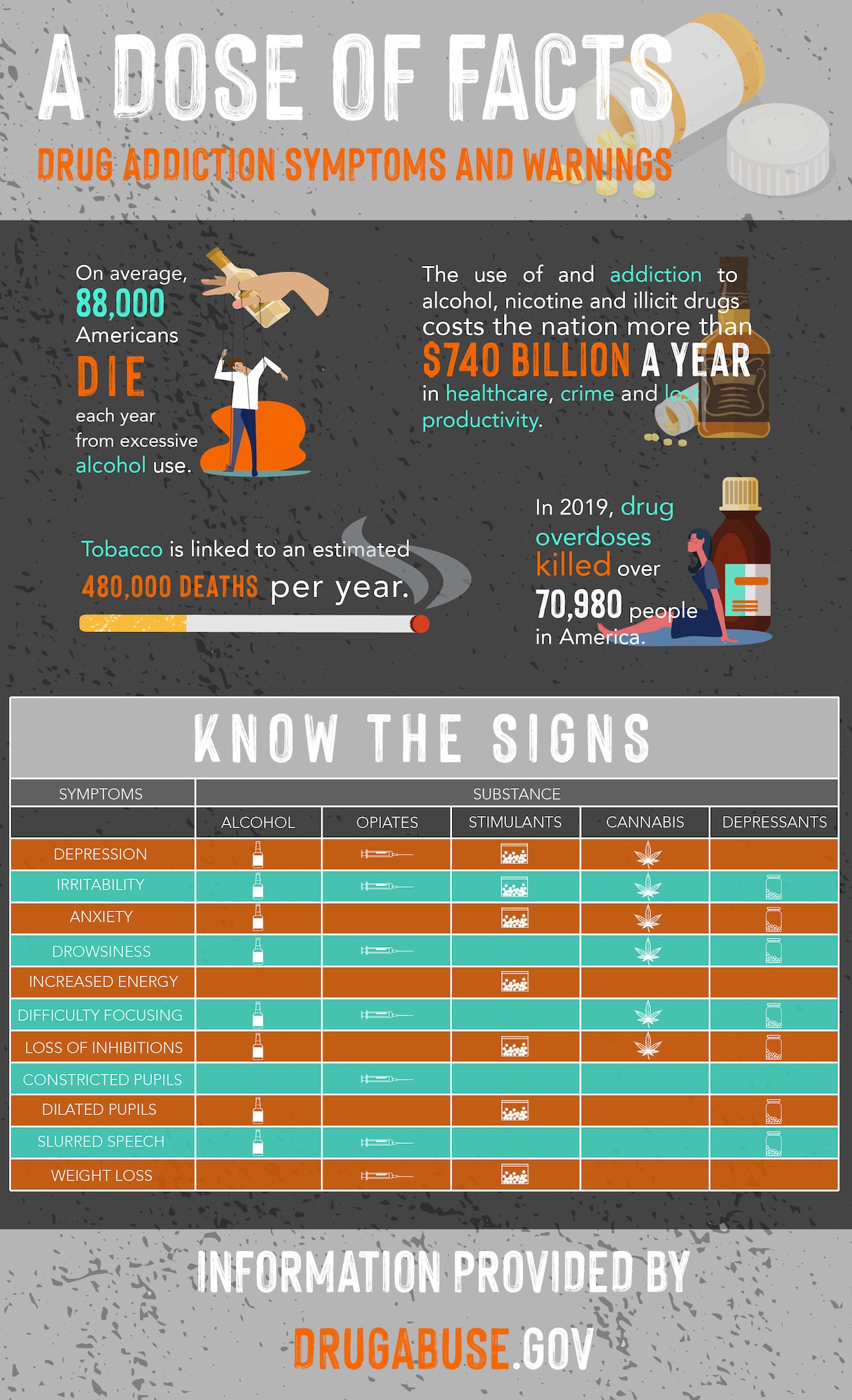 Treatment Options:
Whenever working with alcohol detachment, it is necessary to find medical assistance and support. The principal goal of treatment is to properly manage withdrawal symptoms, avoid complications, and facilitate the transition to sobriety. Medical experts can assess the severity of signs and discover the correct amount of treatment. In moderate instances, outpatient therapy may be administered, while worse situations may need hospitalization.
Medicines commonly used in alcoholic beverages detachment therapy include benzodiazepines, that assist lower anxiety, relieve signs, and give a wide berth to seizures. Other medicines such as for example antipsychotics, anticonvulsants, and beta-blockers could be employed to handle certain signs or co-occurring problems. Additionally, nutritional vitamins, specially thiamine (vitamin B1), are often prescribed to avoid or treat possible inadequacies associated with exorbitant drinking.
Management Techniques:
Along with medical treatments, different strategies can be used to control alcoholic beverages withdrawal effectively.
1. Supportive Care: Providing a supportive environment encourages a sense of protection and comfort. Including making sure appropriate nutrition, moisture, and rest, and monitoring essential signs and dealing with any medical complications that may happen during withdrawal.
2. Psychotherapy: Pursuing psychological state support, such as for instance counseling or psychotherapy, can play a vital role in handling underlying psychological or psychological problems that contribute to liquor dependency. These interventions help people develop dealing techniques, control triggers, and establish healthier options to alcohol.
3. Rehabilitation tools: doing rehabilitation programs, such as for example inpatient or outpatient treatment centers, can provide an organized and supporting environment for people searching for long-lasting data recovery. These programs frequently incorporate health interventions, counseling, and peer help to handle the actual, emotional, and personal facets of alcohol addiction.
 4. Follow-up Care: After completing initial detoxification and therapy, individuals should still look for continuous treatment. This may involve participating in support groups, going to regular treatment sessions, and receiving follow-up evaluations assure appropriate actual and mental health.
Summary:
Alcohol withdrawal is a challenging condition that will require medical help and comprehensive support. Knowing the symptoms, treatment plans, and management strategies can considerably aid in assisting individuals properly navigate the detachment procedure and attain long-lasting recovery. By giving proper care and sources, we could improve the effects for those seeking to get over liquor addiction.
- 이전글배철수가 담백하게 올린 이선균 추모글 24.01.18
- 다음글altruline sin receta a precio elevado comprar dimena en Italia 24.01.18
댓글목록
등록된 댓글이 없습니다.