
How To Solve Issues Related To Washer Dryer With Heat Pump
페이지 정보

본문
Heat Pump Washer Dryer - A Revolution in All-In-One Washer-Dryer
A revolution in all-in-one washer-dryers is advancing. We tested two large heat pump units that wash and dry in less than two hours and require a 120 volt standard outlet.
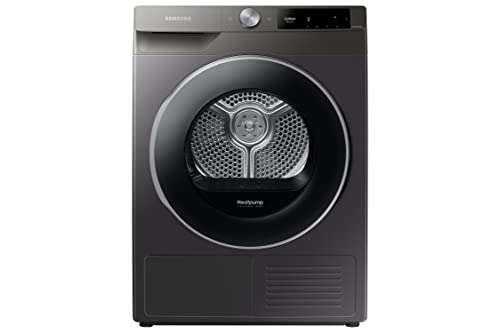 Heat pump combos cool down the air to remove moisture unlike traditional dryers that blow hot air over your spinning laundry. They also use less energy than other types of dryers, with an average of less than 1 kWh for each cycle.
What is a Heat Pump Dryer?
In contrast to standard electric dryers, which are heated by gas or electric resistance and then blow the warm, moist air out through a vent that must be vented outside heat pumps or dryers with ductless cooling cool the air and hold the moisture inside. They don't need to vent outside either because they recycle heat and moisture inside the dryer.
They are also energy efficient, which means you'll save money on your electric bills. They are also less costly to run than conventional dryers and last twice as long. They are also environmentally friendly, a major selling point for most consumers.
ENERGY STAR certified heat pump dryers are engineered to be as efficient as they can and provide the best performance. They offer several features that make them stand out from ordinary dryers, including moisture sensors that prevent over drying and prevent clothes from shrinking or fading smart settings that allow you to modify your laundry routine and remote control via smartphone.
They are in addition to being more efficient and affordable they are also safer since they don't use dryer exhaust. This reduces the risk of lint accumulation in the vent, and even fires. In addition, because they are ventless, heat pump dryers are able to be used wherever in your home and are an ideal option for those who live in apartments.
Another benefit of heat pump dryers is that they run at less heat than conventional dryers, which can help your clothes retain their color and shape for longer. This also means that it takes longer to dry your clothing.
heat pump tumble dryer pump dryers are easier to install because they don't require a vent. Heat pump dryers can be installed anywhere in your home as long as you have access to a drain. In addition, heat pump dryers are quieter and more eco green than conventional dryers, making them an ideal choice for homes with small children or pets.
Heat pump dryers have been popular in Europe for a long time, but are now becoming more popular in America. It's not surprising that more and more homeowners choose to purchase a dryer with a heat pump because of their impressive energy efficiency.
What are the benefits of a dryer that uses a heat pump?
They consume around half the energy used by conventional vented dryers. They are therefore highly energy-efficient and help reduce the cost of electricity to households.
Like their name suggests, heat pump dryers do more than provide your clothes with hot air - they also remove the humidity from them by bringing out dry air from the surrounding environment and then reusing the same air throughout the drying cycle. This helps keep your laundry fresh and machine reduces wrinkles, while also reducing moisture in your home.
They also help to dehumidify your laundry, which can help ease the load on your air conditioning system, potentially saving you money in cooling costs too. This is an excellent benefit for those who live in humid climates and who frequently use dryers.
In contrast to traditional vented dryers that discharge warm, humid air into the atmosphere the heat pump dryers employ an evaporative cooling process to remove the moisture from your laundry. This creates a dehumidified, cooler environment for your laundry. It's an excellent option for homes that do not have the space or budget for an additional duct to expel humid air.
A heat pump dryer is gentler on clothing because it does not require an traditional heating element like a vented drying system. In fact, some heat pump dryers are made to never reach a maximum temperature which helps keep your laundry clean and in good shape for longer periods of time.
They are more expensive initially, but they will save you lots of money and energy in the long in the long. This makes them an excellent purchase for those who want to lessen their environmental impact while also reducing their energy bills.
In recent years, heat pump dryers have become more popular than they have ever been. Manufacturers have also been able to make them more affordable. In addition, the technology behind these machines has continued to advance, making them even more efficient and user-friendly. This is why many customers find these all-in-1 washer-dryers to be an excellent value and are worth the upfront investment for long-term savings in energy consumption and environmental impacts.
How does a Dryer with a Heat Pump Work?
Standard vented dryers are a basic piece of equipment for washing clothes. A sheet of metal box that has a heater, motor and fan. A heat pump dryer, however, is a totally different creature. These dryers are stuffed with a myriad of advanced technologies that give them their energy efficiency as well as a price cost.
What makes them so efficient is that they don't only dry your clothes -- they also pull heat from the air and recycle it into your clothes. The process starts with a blower that pushes air through fins on the cold side of the dryer and then through fins on the hot side. This sounds counterintuitive -- why waste electricity cooling and then heating the same air? It's an excellent way to save energy.
The system reverses the cycle to warm the lint. The clothes are dried at the same manner as a vented dryer but at a lower cost.
Another advantage of heat pump dryers is that they don't require vents and can be installed in any room of the apartment or house -including small spaces like bathrooms, closets and bedrooms. They're more flexible than a dryer/washer combo because they don't require an outside wall for ventilation.
While these dryers do not require vents however, they must drain. This is accomplished by the built-in catch drawer, which can hold water for up to two cycles or by connecting the dryer to a hose, and then directing it out via a window. This is a minor issue when compared to traditional dryers which require the cleaning of lint screens each cycle and condensation coils to be defrosted manually at least once or twice a month.
They may be a bit more expensive right now than their conventional counterparts. However, the upfront cost will be repaid with lower costs for utilities. Many states and local utilities offer incentives and rebates that can help reduce the cost of purchasing heat pump dryers.
How does a heat pump dryer help save energy?
A heat pump dryer recycles its energy, as its name suggests. In actual fact, it consumes much less energy than conventional electric dryers that most households use. The reason for this is that it doesn't heat the air directly. It uses the same technology as air conditioning, which is compressing the liquid (like refrigerant), and then heating the resultant vapour. The vapor is then passed through the drum of the dryer, which absorbs it and helps dry your clothes.
The heat pump's second role is to recycle the heated liquid that flows through the drum after it has passed through the drying cycle. This is referred to as an reversible process. The heat pump repeats this process several times, recapturing the heat over and over again. The resultant hot air is then transported into the building, and is used to warm the occupants.
In contrast to vented dryers that use conditioned air from indoors to transfer it to the outdoors, ventless heat pump dryers push the moist air through an enclosed loop that cools it down, then sucks the water out, and then drains it into a washing machine drain pipe or into a floor or sink drain. This means you can avoid the dryer's vent and lower indoor humidity, especially in a sealed building enclosure.
A heat pump dryer may be combined with an electric evaporator which can add hot water to the cooling loop as needed. This can cut down on energy use by as much as 30 percent.
However, it's important to understand that a heat-pump tumble dryer dryer isn't the best choice for every household. The upfront cost of heat pump dryers is higher than that of traditional electric dryers. However, the operating savings for most families are not as great. This is why Yale Appliance estimates that these units will likely appeal to "households with high usage of clothes dryers and high electricity prices."
There is one major incentive for many families to consider using a dryer with a heating element because of the government policy. In the United States, you can get rebates that drastically lower the cost of these appliances. The economics of the new laundry device is compelling.
A revolution in all-in-one washer-dryers is advancing. We tested two large heat pump units that wash and dry in less than two hours and require a 120 volt standard outlet.
Heat pump combos cool down the air to remove moisture unlike traditional dryers that blow hot air over your spinning laundry. They also use less energy than other types of dryers, with an average of less than 1 kWh for each cycle.What is a Heat Pump Dryer?
In contrast to standard electric dryers, which are heated by gas or electric resistance and then blow the warm, moist air out through a vent that must be vented outside heat pumps or dryers with ductless cooling cool the air and hold the moisture inside. They don't need to vent outside either because they recycle heat and moisture inside the dryer.
They are also energy efficient, which means you'll save money on your electric bills. They are also less costly to run than conventional dryers and last twice as long. They are also environmentally friendly, a major selling point for most consumers.
ENERGY STAR certified heat pump dryers are engineered to be as efficient as they can and provide the best performance. They offer several features that make them stand out from ordinary dryers, including moisture sensors that prevent over drying and prevent clothes from shrinking or fading smart settings that allow you to modify your laundry routine and remote control via smartphone.
They are in addition to being more efficient and affordable they are also safer since they don't use dryer exhaust. This reduces the risk of lint accumulation in the vent, and even fires. In addition, because they are ventless, heat pump dryers are able to be used wherever in your home and are an ideal option for those who live in apartments.
Another benefit of heat pump dryers is that they run at less heat than conventional dryers, which can help your clothes retain their color and shape for longer. This also means that it takes longer to dry your clothing.
heat pump tumble dryer pump dryers are easier to install because they don't require a vent. Heat pump dryers can be installed anywhere in your home as long as you have access to a drain. In addition, heat pump dryers are quieter and more eco green than conventional dryers, making them an ideal choice for homes with small children or pets.
Heat pump dryers have been popular in Europe for a long time, but are now becoming more popular in America. It's not surprising that more and more homeowners choose to purchase a dryer with a heat pump because of their impressive energy efficiency.
What are the benefits of a dryer that uses a heat pump?
They consume around half the energy used by conventional vented dryers. They are therefore highly energy-efficient and help reduce the cost of electricity to households.
Like their name suggests, heat pump dryers do more than provide your clothes with hot air - they also remove the humidity from them by bringing out dry air from the surrounding environment and then reusing the same air throughout the drying cycle. This helps keep your laundry fresh and machine reduces wrinkles, while also reducing moisture in your home.
They also help to dehumidify your laundry, which can help ease the load on your air conditioning system, potentially saving you money in cooling costs too. This is an excellent benefit for those who live in humid climates and who frequently use dryers.
In contrast to traditional vented dryers that discharge warm, humid air into the atmosphere the heat pump dryers employ an evaporative cooling process to remove the moisture from your laundry. This creates a dehumidified, cooler environment for your laundry. It's an excellent option for homes that do not have the space or budget for an additional duct to expel humid air.
A heat pump dryer is gentler on clothing because it does not require an traditional heating element like a vented drying system. In fact, some heat pump dryers are made to never reach a maximum temperature which helps keep your laundry clean and in good shape for longer periods of time.
They are more expensive initially, but they will save you lots of money and energy in the long in the long. This makes them an excellent purchase for those who want to lessen their environmental impact while also reducing their energy bills.
In recent years, heat pump dryers have become more popular than they have ever been. Manufacturers have also been able to make them more affordable. In addition, the technology behind these machines has continued to advance, making them even more efficient and user-friendly. This is why many customers find these all-in-1 washer-dryers to be an excellent value and are worth the upfront investment for long-term savings in energy consumption and environmental impacts.
How does a Dryer with a Heat Pump Work?
Standard vented dryers are a basic piece of equipment for washing clothes. A sheet of metal box that has a heater, motor and fan. A heat pump dryer, however, is a totally different creature. These dryers are stuffed with a myriad of advanced technologies that give them their energy efficiency as well as a price cost.
What makes them so efficient is that they don't only dry your clothes -- they also pull heat from the air and recycle it into your clothes. The process starts with a blower that pushes air through fins on the cold side of the dryer and then through fins on the hot side. This sounds counterintuitive -- why waste electricity cooling and then heating the same air? It's an excellent way to save energy.
The system reverses the cycle to warm the lint. The clothes are dried at the same manner as a vented dryer but at a lower cost.
Another advantage of heat pump dryers is that they don't require vents and can be installed in any room of the apartment or house -including small spaces like bathrooms, closets and bedrooms. They're more flexible than a dryer/washer combo because they don't require an outside wall for ventilation.
While these dryers do not require vents however, they must drain. This is accomplished by the built-in catch drawer, which can hold water for up to two cycles or by connecting the dryer to a hose, and then directing it out via a window. This is a minor issue when compared to traditional dryers which require the cleaning of lint screens each cycle and condensation coils to be defrosted manually at least once or twice a month.
They may be a bit more expensive right now than their conventional counterparts. However, the upfront cost will be repaid with lower costs for utilities. Many states and local utilities offer incentives and rebates that can help reduce the cost of purchasing heat pump dryers.
How does a heat pump dryer help save energy?
A heat pump dryer recycles its energy, as its name suggests. In actual fact, it consumes much less energy than conventional electric dryers that most households use. The reason for this is that it doesn't heat the air directly. It uses the same technology as air conditioning, which is compressing the liquid (like refrigerant), and then heating the resultant vapour. The vapor is then passed through the drum of the dryer, which absorbs it and helps dry your clothes.
The heat pump's second role is to recycle the heated liquid that flows through the drum after it has passed through the drying cycle. This is referred to as an reversible process. The heat pump repeats this process several times, recapturing the heat over and over again. The resultant hot air is then transported into the building, and is used to warm the occupants.
In contrast to vented dryers that use conditioned air from indoors to transfer it to the outdoors, ventless heat pump dryers push the moist air through an enclosed loop that cools it down, then sucks the water out, and then drains it into a washing machine drain pipe or into a floor or sink drain. This means you can avoid the dryer's vent and lower indoor humidity, especially in a sealed building enclosure.
A heat pump dryer may be combined with an electric evaporator which can add hot water to the cooling loop as needed. This can cut down on energy use by as much as 30 percent.
However, it's important to understand that a heat-pump tumble dryer dryer isn't the best choice for every household. The upfront cost of heat pump dryers is higher than that of traditional electric dryers. However, the operating savings for most families are not as great. This is why Yale Appliance estimates that these units will likely appeal to "households with high usage of clothes dryers and high electricity prices."
There is one major incentive for many families to consider using a dryer with a heating element because of the government policy. In the United States, you can get rebates that drastically lower the cost of these appliances. The economics of the new laundry device is compelling.
- 이전글16 Must-Follow Facebook Pages For Asbestos Lawsuits Marketers 24.04.06
- 다음글Ten Heat Pump Tumble Dryer Uk That Will Make Your Life Better 24.04.06
댓글목록
등록된 댓글이 없습니다.