
10-Pinterest Accounts You Should Follow Robot Vacuums With Lidar
페이지 정보

본문
 Lidar Navigation for Robot Vacuums
Robot vacs range in price between $200 and four figures They are a good investment for anyone with cluttered homes and hectic lifestyles. Many offer tempting upgrades like self-emptying bins, as well as built-in mopping capabilities.
Advanced models use sensors to aid in navigation, mapping and other functions. Some models include cameras and gyroscopes for additional precision.
LiDAR
Lidar, or light detection and ranging is a method of using laser beams to measure distances. It has a long-standing history in aerospace and self-driving cars, but it also aids robot vacuums spot obstacles they could not see using cameras or touch sensors alone. The technology uses laser pulses that bounce off of objects before returning to the sensor. This creates a map of the room, with detailed information on the shape, size as well as the location of objects.
This lets robot vacuums avoid hitting furniture legs, walls, and other obstacles that could harm them or clog their suction motors. This gives robot vacuums an accurate picture of the room's layout, which allows them to plan an easier route through it, and to make sure that no space is left unnoticed. Some models can map out the entire layout of the home making it simpler to set up and eliminate the need for best lidar robot vacuum complicated programming or manual navigation.
The robot vacuum's capability is limited in its ability to differentiate between dirt and obstacles. Especially with older models, this could lead to a frustrating experience of getting stuck on piles of dog poop or being caught in socks and phone cords.
As a result, the best robot vacuum lidar vacuums with lidar feature advanced obstacle avoidance systems that employ both cameras and lidar to assist them in navigating. These vacuums can detect piles of pet feces and can also navigate around phone cords and socks. Choose models that feature intelligent mapping and allow users to create virtual no-go zones. They can also be easily installed using Alexa, Google Assistant, or the smartphone app.
If you need to clean up pet hair or other messes regularly you should consider an automated vacuum cleaner that can also mop. These robots can be programmed to clean their oscillating mop tanks in a specific pattern. This will eliminate the need to empty the tank manually after every cleaning. You'll pay more for multi-tasking robots with all the bells and whistles, but it will save you a considerable amount of time and hassle over the course of the year.
Gyroscopes
Lidar navigation, which was initially employed in self-driving vehicles, is now available for robot vacuums. lidar mapping robot vacuum utilizes lasers to scan the surroundings, measuring the time it takes for each beam to bounce off objects and return to the sensor. This information is used in creating a 3D room map and for detecting obstacles.
This is a crucial feature, since robot vacuums can be tiny and can get caught on cords, furniture legs or toys. This technology allows the robot to avoid having to make multiple trips or back up over the same area. This can save time and energy. With a 3D map the robot can quickly find another way to avoid getting stuck.
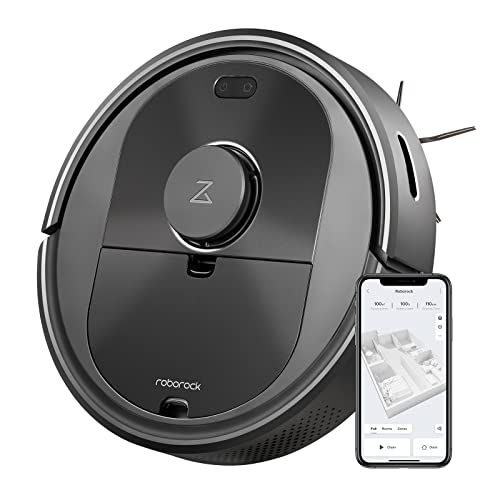
Most robot vacuums use cameras or sensors to identify obstacles and objects, however certain models combine technology to get the most effective results. The Roborock S7 MaxV combines 3D mapping cameras with lidar to offer better floor mapping and accurate obstacle detection. This helps the robot move more efficiently around obstacles and enhances its ability to clear corners and under furniture.
The S7 MaxV also has gyroscopes, which help it maintain stability while cleaning. This is especially useful when navigating uneven or slick floors. This also prevents the robot drifting off its original path or slipping off spots.
The ECOVACS DEEBOT T20 OMNI is another robot that provides excellent navigation and mapping thanks to its lidar and 3D-mapping sensors. It can easily recognize different kinds of flooring and clean them in accordance with their specific needs. It can even detect dirt that is trapped between carpets and rugs. With its suction power, DEEBOT T20 OMNI will remove pet hairs and allergens.
This robot, just like the Roborock Q Revo can clean or mop your floors at will or in accordance to a timetable. It also can identify areas with high traffic and clean them on a regular basis. This model also has a multi-functional dock, smart mopping and swivelling functions, as well as digital keep-out zones. It's not equipped with the advanced obstacle avoidance of its $1,000-plus competitors, meaning that a loose cable or rogue sock can be a hindrance to the clean.
SLAM
One of the biggest challenges for smart robotics is the fact that most machines require a map for navigation. SLAM (simultaneous mapping and localization) is an algorithm which allows robots to create this map autonomously while moving in a new environment.
In contrast to 3D-mapping cameras which make use of light to detect objects, lidar sensors shoot laser beams that bounce off surfaces and then return to the sensor, giving real-time distance measurements for floor maps. This allows the robots to detect and avoid obstacles even in low-light conditions.
SLAM in conjunction with gyroscopes and other sensors, can help robots build a detailed model of their surroundings. This can help them to locate themselves within a space and make decisions about how to move and which areas to clean. Without SLAM, robots tend to move randomly in a room and can miss furniture or [empty] other items, or run out of energy due to their excessive motor use.
If you're looking for a robot that uses SLAM technology, ensure that the sensor is free of dirt or dust to ensure it functions correctly. It is also recommended to read the manual of the robot's user for solutions to problems and suggestions for troubleshooting or contact customer service should you have any questions or concerns.
While models that are budget-friendly, such as the top pick for the best robot vacuum on Amazon, use an unintentional bump and move form of navigation to navigate their environment advanced robots mix data from multiple sensors to create 3D maps of their environments and can make intelligent navigational decisions about what to clean and which areas to move. This can result in more efficient routes that are quicker and with fewer missed coverage.
We've tried a variety of robots, and found that the most effective and accurate ones utilize lidar as well as camera-guided navigation. They also have 3D mapping and AI obstacle avoidance. This allows robots to plan their movements more precisely. They don't have to spend their time wandering around in a room, or getting stuck on toys or a remote. The iRobot Roomba j7 is the current best-in-class in this field with its robust mapping capabilities and user-friendly app that's always evolving and getting better.
Sensors Optical
A robot vacuum is a fantastic investment for any household that is struggling to keep pace with pet hair dust, dirt and. But even the top robotic cleaners can't get into every corner, and they aren't an alternative to an upright stick vacuum, canister or.
If you're looking to purchase a more advanced model that is clear of dirt and dust Look for one that has the most recent technology for smart mapping and object and obstacle detection capabilities. Lidar-guided robot navigation allows them to navigate around furniture, avoid getting stuck on cords, and clean faster.
Other features to consider are scheduling remote control operation, scheduling voice assistant integration. Most robot vacs allow you to set cleaning schedules and set up rooms for automatic or manual cleans, but those with more advanced technology will allow you to control the robot using your smartphone, tablet or smart speaker. You'll need to consider how much time you're willing to invest in cleaning the room and emptying the dust bin of the vacuum.
Although all the robot vacuums we've reviewed can navigate the house without difficulty Some take longer than others to complete a cleaning process. You should choose models that have the maximum cleaning time of 60 minutes or less to avoid running out before the job is finished.
Certain models have dual navigation, using lidar and gyroscopes in order to map the home and ensure precise cleaning. This is a great choice for homes with many rooms and large floors, as it reduces the number of times a robot must restart.
Think about the frequency with which your pets shed and whether they are likely to create an odour inside. Select a pet-friendly option because they're less likely to be stuck in the mud and buy dander.
While most robots with lidars and gyroscopes are able to find their way to their homes however, it's a good idea to upgrade to one with 3D-mapping cameras and intelligent object recognition to get an even more clean. The Roborock S7 MaxV is a good example since it comes with both of these technologies and allows you to create virtual "no-go" zones that the robot will be able to avoid, which should stop it from slipping over wires or getting stuck on rogue socks or shoes.
- 이전글How Car Keys Lost Replacement Became The Hottest Trend In 2023 24.04.09
- 다음글The Biggest Issue With Lost Car Key, And How To Fix It 24.04.09
댓글목록
등록된 댓글이 없습니다.