
The Most Inspirational Sources Of Robot Vacuum With Lidar And Camera
페이지 정보

본문
How a Robot Vacuum With Lidar and Camera Navigates
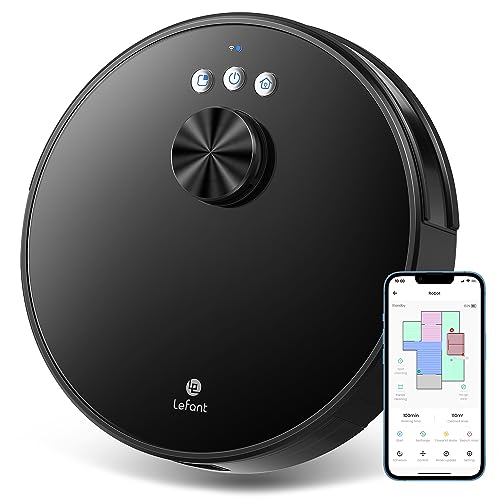 Many robot vacuums can't effectively navigate around obstacles. This can be a major frustration, especially when it leads to a poo-pocalypse (this link is safe to click).
A robot vacuum equipped with LiDAR and gyroscope navigation does better at creating a precise map and navigating objects. However, they do cost more than other models.
LiDAR
A robot vacuum cleaner that makes use of lidar can produce precise maps of your home. This lets it navigate more effectively around furniture and other items and avoid obstacles in its path. Lidar is a key feature of the top robotic vacuums which are typically more expensive than their budget counterparts.
A LiDAR sensor is essentially a spinning laser. Many times per second the sensor releases laser beams and measures the time it takes for them to reflect back into itself. It then calculates the exact distance of the robot from any object nearby to a centimeter.
The sensor is used in conjunction with other sensors such as cameras and gyroscopes, to build an entire image of the surrounding. Cameras offer visual information, while the laser scan gathers data on the shape and location of objects. And gyroscopes help to determine the direction of the robot and its orientation.
Many robots also have drop detectors. They are activated when the robot is nearing a high threshold, or another barrier that it cannot get over without getting stuck or risking damage. Some robots have wall sensors to stop them from crashing into furniture or walls, causing a lot noise or causing damage.
Another benefit of a machine with lidar is the ability to alter its course in response to changes in environment. This could be due to an item of furniture is introduced to the room or everyday changes such as children moving their toys around the home. Contrary to cheaper robots that rely on bump sensors to determine their way, more premium models with lidar are capable of analyzing these changes in real time and thus adjust the speed and route of their cleaning according to the changes.
Some of the best robots with lidar can detect changes in flooring, such as when a robot goes from a hard floor to carpet. These are all great characteristics that make robots with lidar more efficient than their cheaper budget cousins who only utilize bump sensors to avoid obstacles.
Gyroscope
The majority of robot vacuum models come with sensors that aid in navigation. Whether they're using 3D structured light or laser navigation, monocular or binocular vision-based obstacle avoidance or a simple gyroscope sensors allow the robot to create maps of your home and avoid obstacles that block the path for cleaning. This type of advanced obstacle detection can aid your robot in avoiding cords, carpets for areas, shoes, or furniture legs.
Gyroscopes are sensors that work by measuring the wheel rotation of the robot's wheels. They also help determine the location of a device within aircraft, ships, and mobile phones. These sensors work with other sensors, such as LiDAR and cameras to aid the robot map the space and navigate effectively.
The navigation system of your robot could differ widely based on the technology used and the price. Certain models, like the Dreame F9, feature a combination of camera and LiDAR to create a comprehensive map of your home and avoid obstacles that may be in its way. LiDAR navigation allows you to set virtual boundaries and no-go zones for your robot vacuum with lidar and camera. It's faster and more precise than other sensors.
The navigation using cameras is slower and requires the use of a light source. This can create privacy issues for some users. These systems may also be more vulnerable to interference by reflective surfaces as well as complex room layouts.
Fortunately robot vacuums have several sensors that help make up for these limitations. Drop detectors are also included in the majority of robot vacuums to keep the robot from falling off a stairwell or any other significant gap between levels. This is crucial for homes with multiple levels, or for families with children or pets who might be injured by falling from a high-offset or open window. It is recommended to choose an option that has multiple sensors technologies rather than relying on a single type of navigation system.
SLAM
A robot vacuum that employs SLAM navigation can create an accurate map. This lets the robot to move more efficiently without scratching walls or furniture, and to avoid obstacles. Most models that use SLAM have an app that allows users to set boundaries for "no-go zones" for the robot.
In contrast to bump sensors that warn the robot to stop when it encounters an object, SLAM can provide an accurate picture of the space by utilizing information from different sources. Using cameras to detect the shape and Robot Vacuum With Lidar position of objects, gyroscopes for tracking movement and lidar for distance measurement, the SLAM system allows the robot to update its maps of the environment and understand what is happening in its path.
This technology is often used in conjunction with other sensors such as gyroscopes to track rotation and light sensors to count the number of times the wheel rotates. Gyroscopes can be a fantastic option for robots, since they are more effective than basic bump sensors in detecting large obstacles and determining how far the robot is from walls. They are also cheaper than lasers or camera sensors.
The majority of robots that are inexpensive are prone to running into walls and furniture, causing quite a lot of noise and causing damage. The use of gyroscopes as well as sensors is the best method to prevent these devices from damaging your home and waste money on costly replacement parts.
Having better navigation is a must-have feature for most people considering purchasing a robot. It's important to weigh this feature against other options you may be looking for when purchasing a robot vacuum lidar. For instance, if you are concerned about the amount of information your device collects on your home and whether it's employed in a way that is exploitative or sold to third parties you might consider a model without cameras. Most companies will state clearly their privacy policies for data collection and the way in which the images collected by the device are used. It is recommended to read this before purchasing a robot vacuum equipped with camera.
Obstacle Avoidance
The best robots equipped with obstacle avoidance are able to detect the smallest of things on your floor including toys and shoes to socks and phone cords. They also can avoid getting caught in wires, or other difficult-to-manoeuvre obstacles, thus reducing the risk that they'll hit furniture or cause damage. In fact, the most effective robot vacuum that has obstacle avoidance can keep away objects in a room to the extent that you don't have to clean up after it starts.
This type of intelligent navigation isn't limited to robot vacuums, but also in self-driving vehicles and virtual reality video games. It's a powerful tool that allows robots to navigate complex environments, draw precise maps, and determine efficient routes to clean. It's a remarkable technology however, it's also costly. As a result, the most advanced and efficient robots that use this technology tend to be more premium (and more expensive) than their less sophisticated counterparts.
There are still many robots that are able to navigate intelligently at a reasonable price. Typically, these robots use sensor mapping. Sensor mapping is slower than laser navigation which is faster and has more detail. However, it is more precise and can work in low-light conditions. It also makes the robot cleaner more sensitive to changes in the surface's texture and heights. This helps in avoiding obstacles.
Gyroscopes also aid in navigation and form a basic map of the surroundings. These sensors, similar to the rotation sensors that are found on cell phones and laptops and laptops, can give the robot more information about your house. Although gyroscope navigation isn't as effective as systems that rely on Lidar and SLAM, it can be an excellent option for budget-conscious robot shoppers.
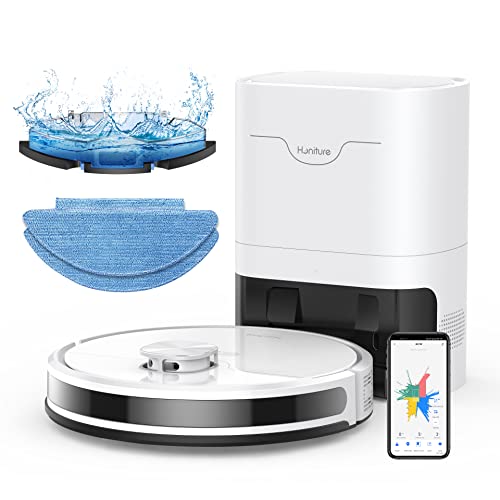 The system of navigation used by a robot vacuum can affect the speed and Robot Vacuum With LiDAR efficiency of the cleaning it performs. The most efficient robots can cover the entire floor of a typical-sized home in just a few passes and not missing a single area. You can select the best navigation depending on your preferences. For instance you might not like the robot bumping into walls or leaving scuff marks on chair legs.
Many robot vacuums can't effectively navigate around obstacles. This can be a major frustration, especially when it leads to a poo-pocalypse (this link is safe to click).A robot vacuum equipped with LiDAR and gyroscope navigation does better at creating a precise map and navigating objects. However, they do cost more than other models.
LiDAR
A robot vacuum cleaner that makes use of lidar can produce precise maps of your home. This lets it navigate more effectively around furniture and other items and avoid obstacles in its path. Lidar is a key feature of the top robotic vacuums which are typically more expensive than their budget counterparts.
A LiDAR sensor is essentially a spinning laser. Many times per second the sensor releases laser beams and measures the time it takes for them to reflect back into itself. It then calculates the exact distance of the robot from any object nearby to a centimeter.
The sensor is used in conjunction with other sensors such as cameras and gyroscopes, to build an entire image of the surrounding. Cameras offer visual information, while the laser scan gathers data on the shape and location of objects. And gyroscopes help to determine the direction of the robot and its orientation.
Many robots also have drop detectors. They are activated when the robot is nearing a high threshold, or another barrier that it cannot get over without getting stuck or risking damage. Some robots have wall sensors to stop them from crashing into furniture or walls, causing a lot noise or causing damage.
Another benefit of a machine with lidar is the ability to alter its course in response to changes in environment. This could be due to an item of furniture is introduced to the room or everyday changes such as children moving their toys around the home. Contrary to cheaper robots that rely on bump sensors to determine their way, more premium models with lidar are capable of analyzing these changes in real time and thus adjust the speed and route of their cleaning according to the changes.
Some of the best robots with lidar can detect changes in flooring, such as when a robot goes from a hard floor to carpet. These are all great characteristics that make robots with lidar more efficient than their cheaper budget cousins who only utilize bump sensors to avoid obstacles.
Gyroscope
The majority of robot vacuum models come with sensors that aid in navigation. Whether they're using 3D structured light or laser navigation, monocular or binocular vision-based obstacle avoidance or a simple gyroscope sensors allow the robot to create maps of your home and avoid obstacles that block the path for cleaning. This type of advanced obstacle detection can aid your robot in avoiding cords, carpets for areas, shoes, or furniture legs.
Gyroscopes are sensors that work by measuring the wheel rotation of the robot's wheels. They also help determine the location of a device within aircraft, ships, and mobile phones. These sensors work with other sensors, such as LiDAR and cameras to aid the robot map the space and navigate effectively.
The navigation system of your robot could differ widely based on the technology used and the price. Certain models, like the Dreame F9, feature a combination of camera and LiDAR to create a comprehensive map of your home and avoid obstacles that may be in its way. LiDAR navigation allows you to set virtual boundaries and no-go zones for your robot vacuum with lidar and camera. It's faster and more precise than other sensors.
The navigation using cameras is slower and requires the use of a light source. This can create privacy issues for some users. These systems may also be more vulnerable to interference by reflective surfaces as well as complex room layouts.
Fortunately robot vacuums have several sensors that help make up for these limitations. Drop detectors are also included in the majority of robot vacuums to keep the robot from falling off a stairwell or any other significant gap between levels. This is crucial for homes with multiple levels, or for families with children or pets who might be injured by falling from a high-offset or open window. It is recommended to choose an option that has multiple sensors technologies rather than relying on a single type of navigation system.
SLAM
A robot vacuum that employs SLAM navigation can create an accurate map. This lets the robot to move more efficiently without scratching walls or furniture, and to avoid obstacles. Most models that use SLAM have an app that allows users to set boundaries for "no-go zones" for the robot.
In contrast to bump sensors that warn the robot to stop when it encounters an object, SLAM can provide an accurate picture of the space by utilizing information from different sources. Using cameras to detect the shape and Robot Vacuum With Lidar position of objects, gyroscopes for tracking movement and lidar for distance measurement, the SLAM system allows the robot to update its maps of the environment and understand what is happening in its path.
This technology is often used in conjunction with other sensors such as gyroscopes to track rotation and light sensors to count the number of times the wheel rotates. Gyroscopes can be a fantastic option for robots, since they are more effective than basic bump sensors in detecting large obstacles and determining how far the robot is from walls. They are also cheaper than lasers or camera sensors.
The majority of robots that are inexpensive are prone to running into walls and furniture, causing quite a lot of noise and causing damage. The use of gyroscopes as well as sensors is the best method to prevent these devices from damaging your home and waste money on costly replacement parts.
Having better navigation is a must-have feature for most people considering purchasing a robot. It's important to weigh this feature against other options you may be looking for when purchasing a robot vacuum lidar. For instance, if you are concerned about the amount of information your device collects on your home and whether it's employed in a way that is exploitative or sold to third parties you might consider a model without cameras. Most companies will state clearly their privacy policies for data collection and the way in which the images collected by the device are used. It is recommended to read this before purchasing a robot vacuum equipped with camera.
Obstacle Avoidance
The best robots equipped with obstacle avoidance are able to detect the smallest of things on your floor including toys and shoes to socks and phone cords. They also can avoid getting caught in wires, or other difficult-to-manoeuvre obstacles, thus reducing the risk that they'll hit furniture or cause damage. In fact, the most effective robot vacuum that has obstacle avoidance can keep away objects in a room to the extent that you don't have to clean up after it starts.
This type of intelligent navigation isn't limited to robot vacuums, but also in self-driving vehicles and virtual reality video games. It's a powerful tool that allows robots to navigate complex environments, draw precise maps, and determine efficient routes to clean. It's a remarkable technology however, it's also costly. As a result, the most advanced and efficient robots that use this technology tend to be more premium (and more expensive) than their less sophisticated counterparts.
There are still many robots that are able to navigate intelligently at a reasonable price. Typically, these robots use sensor mapping. Sensor mapping is slower than laser navigation which is faster and has more detail. However, it is more precise and can work in low-light conditions. It also makes the robot cleaner more sensitive to changes in the surface's texture and heights. This helps in avoiding obstacles.
Gyroscopes also aid in navigation and form a basic map of the surroundings. These sensors, similar to the rotation sensors that are found on cell phones and laptops and laptops, can give the robot more information about your house. Although gyroscope navigation isn't as effective as systems that rely on Lidar and SLAM, it can be an excellent option for budget-conscious robot shoppers.
The system of navigation used by a robot vacuum can affect the speed and Robot Vacuum With LiDAR efficiency of the cleaning it performs. The most efficient robots can cover the entire floor of a typical-sized home in just a few passes and not missing a single area. You can select the best navigation depending on your preferences. For instance you might not like the robot bumping into walls or leaving scuff marks on chair legs.- 이전글Crimson LED Gentle Therapy Benefits: A whole Information 24.04.10
- 다음글Why Lidar Robot Vacuums Is Relevant 2023 24.04.10
댓글목록
등록된 댓글이 없습니다.