
15 Of The Best Twitter Accounts To Find Out More About Dryers Heat Pum…
페이지 정보

본문
Why Buy a Dryer With a Heat Pump?
Like conventional gas or electric dryers, heat pumps warm air before pumping it into the drum. In contrast to these dryers the warm air doesn't get expelled into the vents -- which can lead to problems such as clogged and energy-wasting lint traps.
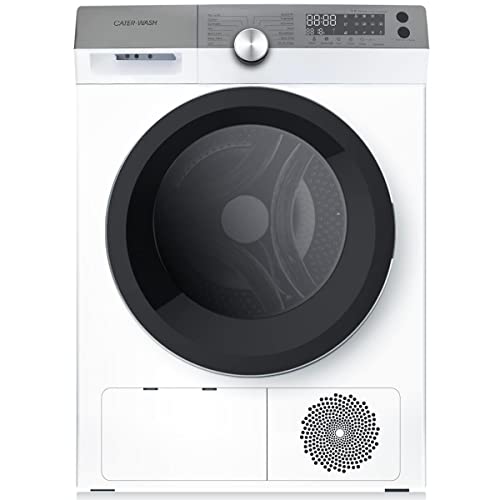 Since ventless heat pumps cool the air to remove moisture, they can be installed anywhere. Find out more about their advantages.
Energy Efficiency
While traditional vented dryers consume huge amounts of energy to run, heat pump dryers use just a tiny fraction of the energy. They don't require heat like conventional dryers. They rely on a closed loop refrigerant loop system, similar to an air conditioner. The air that is pushed through the evaporator coils of the washer dryer with heat pump is heated and absorbs moisture. The moisture then flows into a pan, which can be manually emptied or connected to the drainage tube. The cooled air then circulates through the coils to start the cycle.
According to Energy Star, heat pump dryers consume about two-thirds of the electricity per load as traditional dryers. They also require no venting and eliminate the possibility for lint accumulation within a dryer vent, reducing the chance of fire. And since they're ventless, dryers heat pump they can be used in any area that is connected to an electrical outlet, Dryers heat Pump which makes them ideal for apartments and other cramped spaces.
Additionally the energy efficiency of the heat pump dryer can translate into lower utility costs. This is especially important considering the increasing cost of electricity. Even with the higher upfront purchase cost of heat pump dryers, they typically will pay for themselves within two years because of their remarkably lower operating costs.
Electric heat pump dryers use less energy as well than condensing, non-heat pump dryers. Their cycle times are longer than conventional dryers.
If you're serious about your energy consumption then a heat pump dryer is the best way to go. It's the most efficient method to perform laundry and is powered by electricity produced by solar or other renewable sources. If you're on the road to an all-electric home, then the heat pumps dryer should be a part of it. It can be powered using the same renewable energy source as your other appliances, such as washers and refrigerators. It can help you achieve your goal of having an all-electric home by 2050.
Convenience
Many dryers with heat pumps have moisture sensors that help prevent over drying and help save energy and time. Certain dryers heat pumps have anti-wrinkle technology and smart settings that are operated by smartphones. Some ENERGY STAR-certified models can reuse the water used to eliminate moisture from the air when drying, thereby saving you money.
Heat pump dryers also offer more flexibility than vented or ducted clothes dryers as they do not require venting. This makes them ideal for a variety of locations in the home, including attics and basements. The only drawback is that they take longer to dry laundry than standard dryers that use electricity because they don't require the same amount of heat.
Instead of using hot air to dry clothes, as conventional electric and gas dryers do, heat pump dryers reuse the same air again and again. A compressor presses a refrigerant in one set of coils to release heat, and then it moves through an expansion valve into another set of coils where it cools and absorbs moisture. This cycle is repeated over and over until the load is completely dry. This is more efficient than traditional Dryers heat pump, which use energy by heating the air continuously to dry laundry.
The use of heat pump dryers may initially be costly however they are an environmentally friendly alternative. However, they'll pay for themselves over time by reducing your energy bills. Many manufacturers offer rebates and incentives that can offset the initial cost of a heat-pump clothes dryer.
Some dryers with heat pumps require a special drain hose to drain the water used to evaporate moisture from air. This can raise the cost of the appliance. This isn't a major issue, but it could be a deal-breaker for some consumers.
Heat pump dryers have several other advantages that make them worth considering. They are gentle on fabric and help prolong their life and look great while doing it. They also cost less as they reduce your energy consumption by up to 28% compared with conventional dryers.
Durability
Created to cut down on energy costs by reusing heat pump tumble dryer uk from air, these dryers are also more gentle on clothing and extend their life. They use the same process to eliminate water from clothing as vented models do, however, they don't release humid air outside. They reuse air that has been cooled. They dry clothes more slowly than vented dryers because they operate at lower temperatures.
These dryers don't require a vent and can be installed anywhere with electricity and water. These dryers are great for tiny homes, living units (e.g. an apartment above the garage) and even additions. Certain models can be incorporated into small spaces, and some can be stacked. Ventless heat pump dryers with a larger capacity, which can get an Energy STAR certification as well as be more powerful.
These appliances tumble clothes inside an heated drum, much as traditional vented dryers. As the clothes spin the hot drum heats up and pulls out the moisture. This water is then absorbed in an individual tank or drain hose which must be drained manually or automatically. Some dryers have a water tank that needs to be drained every few cycles, while others have a self-draining tank that requires less maintenance.
The dryers that use heat pumps are more complex and require more maintenance than vented dryers. They also have higher repair costs. They're nevertheless worth the investment if want to save money and reduce your utility bills.
Your laundry habits as well as your budget are the most important aspects to take into consideration when deciding if you should invest in a heat-pump dryer. If you are a frequent user of laundry and want to get it dry quickly then a vented dryer would be the ideal choice for you. If you want to save money over the long term and don't mind drying times of 2.5 hours, a heat-pump dryer is a good option. These dryers are energy-efficient and can help you save as much as $2,600 a year. They also last twice longer than vented models.
Noise
They are generally quieter than their traditional counterparts however, the level of noise can differ between models and brands. Understanding how noise is measured and comparison of the noise ratings can help customers pick the model that is most suitable for their needs and preferences. If noise is a major concern, it can be helpful to consider using the dryer during times when household activity and sleep patterns are likely to be less disturbed. Also, placing the dryer in a location that is quiet and separating it from the floor using mats made of rubber or anti-vibration can further reduce unwanted noise.
The grinding and squeaking sounds can be a sign of a dryer drum that is overloaded that is unable to rotate in a proper manner. To prevent this from happening, follow the instructions provided by the manufacturer for the maximum load capacity of the dryer and don't overfill it. The ability to balance larger items like blankets or comforters with smaller ones may increase performance and decrease squeaking noises.
The sound of the dryer's heat pump gurgling is normal. It's a sign that it is working as intended. If the sound becomes louder or continues to recur it could mean that your dryer's lint filters and vents are blocked and need cleaning.
Cleaning the lint filters regularly and dryer vents is vital to maintain the heat pump dryer works properly. This will help to reduce noise during the drying process and also extend the life span of the appliance.
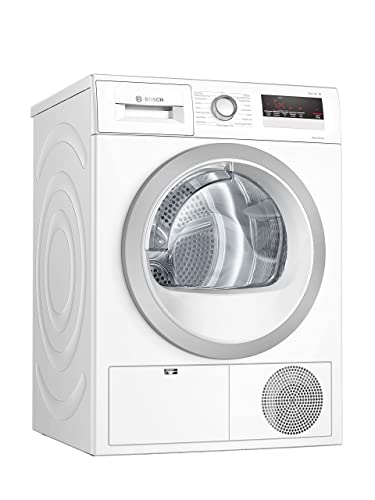 Some heat pump dryers claim that they run on the standard 120 volt, 15 amp electrical circuits. This is ideal for older homes that have limited electrical outlets. This is a false advertisement because most electric dryers require 220-volt circuits that have 30-amps in order to function effectively. A heat pump dryer that is running on a standard circuit will increase the risk of electric shock and fire. It is always recommended that an electrician with experience install a heater in an existing house.
Like conventional gas or electric dryers, heat pumps warm air before pumping it into the drum. In contrast to these dryers the warm air doesn't get expelled into the vents -- which can lead to problems such as clogged and energy-wasting lint traps.
Since ventless heat pumps cool the air to remove moisture, they can be installed anywhere. Find out more about their advantages.Energy Efficiency
While traditional vented dryers consume huge amounts of energy to run, heat pump dryers use just a tiny fraction of the energy. They don't require heat like conventional dryers. They rely on a closed loop refrigerant loop system, similar to an air conditioner. The air that is pushed through the evaporator coils of the washer dryer with heat pump is heated and absorbs moisture. The moisture then flows into a pan, which can be manually emptied or connected to the drainage tube. The cooled air then circulates through the coils to start the cycle.
According to Energy Star, heat pump dryers consume about two-thirds of the electricity per load as traditional dryers. They also require no venting and eliminate the possibility for lint accumulation within a dryer vent, reducing the chance of fire. And since they're ventless, dryers heat pump they can be used in any area that is connected to an electrical outlet, Dryers heat Pump which makes them ideal for apartments and other cramped spaces.
Additionally the energy efficiency of the heat pump dryer can translate into lower utility costs. This is especially important considering the increasing cost of electricity. Even with the higher upfront purchase cost of heat pump dryers, they typically will pay for themselves within two years because of their remarkably lower operating costs.
Electric heat pump dryers use less energy as well than condensing, non-heat pump dryers. Their cycle times are longer than conventional dryers.
If you're serious about your energy consumption then a heat pump dryer is the best way to go. It's the most efficient method to perform laundry and is powered by electricity produced by solar or other renewable sources. If you're on the road to an all-electric home, then the heat pumps dryer should be a part of it. It can be powered using the same renewable energy source as your other appliances, such as washers and refrigerators. It can help you achieve your goal of having an all-electric home by 2050.
Convenience
Many dryers with heat pumps have moisture sensors that help prevent over drying and help save energy and time. Certain dryers heat pumps have anti-wrinkle technology and smart settings that are operated by smartphones. Some ENERGY STAR-certified models can reuse the water used to eliminate moisture from the air when drying, thereby saving you money.
Heat pump dryers also offer more flexibility than vented or ducted clothes dryers as they do not require venting. This makes them ideal for a variety of locations in the home, including attics and basements. The only drawback is that they take longer to dry laundry than standard dryers that use electricity because they don't require the same amount of heat.
Instead of using hot air to dry clothes, as conventional electric and gas dryers do, heat pump dryers reuse the same air again and again. A compressor presses a refrigerant in one set of coils to release heat, and then it moves through an expansion valve into another set of coils where it cools and absorbs moisture. This cycle is repeated over and over until the load is completely dry. This is more efficient than traditional Dryers heat pump, which use energy by heating the air continuously to dry laundry.
The use of heat pump dryers may initially be costly however they are an environmentally friendly alternative. However, they'll pay for themselves over time by reducing your energy bills. Many manufacturers offer rebates and incentives that can offset the initial cost of a heat-pump clothes dryer.
Some dryers with heat pumps require a special drain hose to drain the water used to evaporate moisture from air. This can raise the cost of the appliance. This isn't a major issue, but it could be a deal-breaker for some consumers.
Heat pump dryers have several other advantages that make them worth considering. They are gentle on fabric and help prolong their life and look great while doing it. They also cost less as they reduce your energy consumption by up to 28% compared with conventional dryers.
Durability
Created to cut down on energy costs by reusing heat pump tumble dryer uk from air, these dryers are also more gentle on clothing and extend their life. They use the same process to eliminate water from clothing as vented models do, however, they don't release humid air outside. They reuse air that has been cooled. They dry clothes more slowly than vented dryers because they operate at lower temperatures.
These dryers don't require a vent and can be installed anywhere with electricity and water. These dryers are great for tiny homes, living units (e.g. an apartment above the garage) and even additions. Certain models can be incorporated into small spaces, and some can be stacked. Ventless heat pump dryers with a larger capacity, which can get an Energy STAR certification as well as be more powerful.
These appliances tumble clothes inside an heated drum, much as traditional vented dryers. As the clothes spin the hot drum heats up and pulls out the moisture. This water is then absorbed in an individual tank or drain hose which must be drained manually or automatically. Some dryers have a water tank that needs to be drained every few cycles, while others have a self-draining tank that requires less maintenance.
The dryers that use heat pumps are more complex and require more maintenance than vented dryers. They also have higher repair costs. They're nevertheless worth the investment if want to save money and reduce your utility bills.
Your laundry habits as well as your budget are the most important aspects to take into consideration when deciding if you should invest in a heat-pump dryer. If you are a frequent user of laundry and want to get it dry quickly then a vented dryer would be the ideal choice for you. If you want to save money over the long term and don't mind drying times of 2.5 hours, a heat-pump dryer is a good option. These dryers are energy-efficient and can help you save as much as $2,600 a year. They also last twice longer than vented models.
Noise
They are generally quieter than their traditional counterparts however, the level of noise can differ between models and brands. Understanding how noise is measured and comparison of the noise ratings can help customers pick the model that is most suitable for their needs and preferences. If noise is a major concern, it can be helpful to consider using the dryer during times when household activity and sleep patterns are likely to be less disturbed. Also, placing the dryer in a location that is quiet and separating it from the floor using mats made of rubber or anti-vibration can further reduce unwanted noise.
The grinding and squeaking sounds can be a sign of a dryer drum that is overloaded that is unable to rotate in a proper manner. To prevent this from happening, follow the instructions provided by the manufacturer for the maximum load capacity of the dryer and don't overfill it. The ability to balance larger items like blankets or comforters with smaller ones may increase performance and decrease squeaking noises.
The sound of the dryer's heat pump gurgling is normal. It's a sign that it is working as intended. If the sound becomes louder or continues to recur it could mean that your dryer's lint filters and vents are blocked and need cleaning.
Cleaning the lint filters regularly and dryer vents is vital to maintain the heat pump dryer works properly. This will help to reduce noise during the drying process and also extend the life span of the appliance.
Some heat pump dryers claim that they run on the standard 120 volt, 15 amp electrical circuits. This is ideal for older homes that have limited electrical outlets. This is a false advertisement because most electric dryers require 220-volt circuits that have 30-amps in order to function effectively. A heat pump dryer that is running on a standard circuit will increase the risk of electric shock and fire. It is always recommended that an electrician with experience install a heater in an existing house.- 이전글5.6 TRILLION Dollar Industry 24.04.10
- 다음글Are You Responsible For The 10kg Washing Machines - All Offers Budget? Twelve Top Ways To Spend Your Money 24.04.10
댓글목록
등록된 댓글이 없습니다.