
What's The Current Job Market For Lidar Mapping Robot Vacuum Professio…
페이지 정보

본문
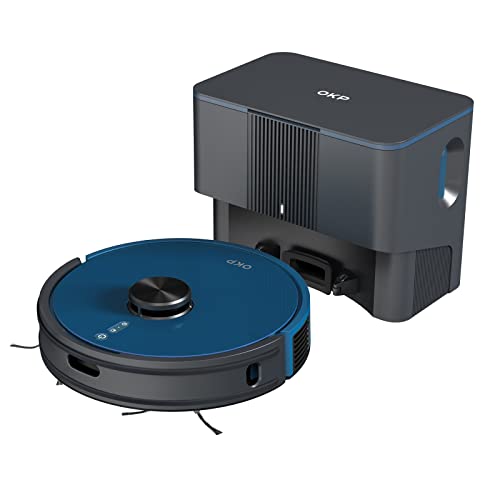 lidar mapping robot vacuum - https://gokseong.multiiq.com/bbs/board.php?bo_table=free&wr_id=868051 -
A lidar mapping robot vacuum uses lasers to draw an internal map of your home. It is more accurate than gyroscope-based systems and allows you to set off-limits for areas that are suitable for mopping.
The vacuum cleaner can clean more efficiently and safely by using the map it creates. This reduces the chance of collisions and also saves energy.
Accuracy
lidar robot navigation is a technology used in many robot vacuum cleaners that help improve navigation and to map out the space. It operates by sending the laser out and observing the amount of time it takes for the light to reflect off objects before returning to the sensor itself. This information is used to calculate the distance between an object. It is a better way to measure the position of the robot than traditional GPS that requires an accurate vision of the surroundings. It is particularly suitable for rooms with complex furniture or layouts.
In addition to mapping, lidar vacuum robot can also detect the shape of objects and their position which is crucial for robots to avoid collisions. It is crucial to be aware that lidar does have some limitations. One of them is that it may fail to detect transparent or reflective surfaces like glass coffee tables. The resulting error can cause the robot to slide through the table, and could damage it. Manufacturers can overcome this issue by increasing the sensitivities of lidar sensors, or combining them with cameras and bumper sensors to improve mapping and navigation.
Mapping-enabled robots can navigate the space more thoroughly and plan their route and avoid obstacles in real-time. They can also determine the best route when they are low on energy and need to return to their charging dock. In addition they can utilize their maps to find the most efficient way to tidy up a space without ignoring any areas.
This technology is an amazing improvement over traditional camera-based mapping which makes use of digital cameras to take pictures of landmarks in the home. This technique is beneficial, but it only works when the robot has access to an external source of light. This can be problematic in dark rooms, where the camera won't function effectively. Robots equipped with mapping capabilities can create a digital home map using sensors that detect furniture and walls. This data is then used to design an efficient cleaning route that minimizes damage and makes sure that all areas of the home are kept clean.
Reliability
Map-making robots, in contrast to traditional robot vacuums, that rely on sensors such as bumpers and cliff sensors to scan the surroundings, employ laser or camera technology to identify landmarks. The resultant digital map helps the robot determine its cleaning route efficiently. Additionally, mapping robots are also capable of recognizing dirt and other debris as obstacles, which makes them more effective in cleaning.
The ECOVACS DEEBOT MagSlim LiDAR Navigation is a powerful robot that uses three different mapping technologies to ensure that your home gets thoroughly cleaned. Its precision is superior to VSLAM and gyroscope navigation technology, delivering millimeter-level measurement. This mapping technology is highly effective in navigating around complicated home layouts and can help avoid obstructing objects.
A lidar mapping robot scans its surroundings with an invisible spinning laser. It measures the amount of time it takes for the laser to bounce off walls and reflect back into itself. The sensors calculate the distance between each object, and then create a 3D image of the area. This information enables the robot to build an precise and efficient mapping system, ensuring that every inch of your home is covered.
Certain models, such as the Neato XV11 use cameras to detect edges of furniture and other obstructions. This method is useful for rooms with a clear arrangement. However it can be difficult to use in areas with dark lighting or with lots of small objects.
Alternatively it is the Dreame F9 features 14 infrared sensors that help the robot avoid obstacles and objects. The sensors work with the dToF LiDAR sensor, which allows the robot to find its way even in dark or cluttered rooms. Furthermore, the sensors are able to detect carpet areas and automatically increase suction power to ensure maximum performance.
A drop detector for a robot vacuum is crucial since it protects the device from falling down stairs or other significant variations in levels. It's an excellent addition because it prevents you from having to clean up spills that happen. Additionally, it will prevent the robot from hitting objects or tripping over its own legs while moving.
Cost
Many robot vacuums rely on a variety of sensors to move around your home and clean every corner. They also provide information on the condition of their batteries, and inform you when it's time to recharge. The most effective robotic vacuums use advanced mapping technology that allows for a more accurate and efficient cleaning. They utilize laser and optical sensors to map the room's layout and map out its route systematically and efficiently, which makes them more effective than traditional navigation systems.
LiDAR technology, also known as Light Detection And Ranging, is utilized by the most advanced mapping robots. It was originally designed to aid the aerospace industry the system emits a beam of infrared light and measures the time it takes to reach an object. The information is used to create a digital 3D map of the surrounding area. This map helps the robot avoid obstacles and find its way through the home without getting lost. Some models show their digital maps on the app, so you can see what they've been doing.
A gyroscope mapping system uses accelerometer sensors to calculate distance and direction. These sensors aren't as precise as lidar sensors but are nevertheless useful for basic mapping. Some robots incorporate different mapping technologies, and some even combine LiDAR sensors with other sensors to provide more efficient navigation.
A good example of this is the EcoVACS DEEBOT equipped with Truemapping technology, which makes use of LiDAR and lidar mapping robot vacuum other sensors to look around your home and detect obstacles. Its smart map technology lets it clear your entire home in less than an an hour, saving you time for other chores. The intelligent sensor will automatically boost suction power whenever it detects carpet areas. You can also define virtual boundaries with the ECOVACS app to prevent the robot from being removed from specific areas or objects. And thanks to anti-drop sensors the ECOVACS DEEBOT can be trusted to be safe on stairs. It can also be controlled using voice assistants like Siri and Alexa.
App compatibility
Robot vacuums with lidar navigation can create maps to navigate around obstacles. This technology lets you clean your entire house without crashing into furniture or spotting places. It also means that the robot is able to complete the task faster, saving you time and money. It can also mop and vacuum simultaneously and save even more time.
Some premium models offer Lidar mapping which is a more advanced form of navigation. It's more expensive than other types of robot navigation. If you're seeking a lower-cost model, you could consider an accelerometer or other basic sensors to stop your robot from crashing into things.
Some of the newer models of navigation robots use advanced mapping technology that is influenced by aerospace engineering. For example the DEEBOT TrueMapping technology makes use of a cutting-edge laser sensor similar to those used in self-driving cars to scan the entire room to identify the location of each object. This ensures that every area is thoroughly cleaned and makes the process more efficient than traditional robot navigation.
Other features to look for in a robot vacuum that has navigation are drop detectors and an app that allows you to set virtual boundaries and cleaning schedules. These are convenient options for those who regularly move furniture or have pets. The app can also be used to monitor when the robot is due for maintenance, and other diagnostics. Some apps can even allow you to share the robot with other members of your family, so everyone can benefit from it.
Contrary to older models, modern models are able to navigate stairs and other significant differences in levels. Many robots come with anti-drop sensors to prevent them from falling down the stairs or onto furniture. Some robots are also integrated with smart homes, which allows users to control them with voice commands.
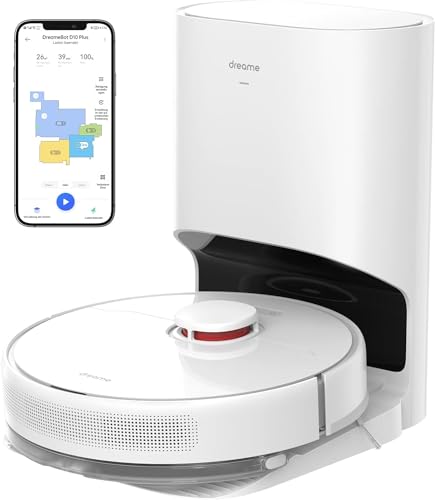 A lidar-mapped robotic vacuum comes with sensors that are smart, which allow it to dock and recharge automatically when it is done. This feature is perfect for those who have multiple levels in their home or a lot furniture. Other robots allow you to create "no go" zones around areas that are sensitive like entertainment centers and desks. These features help the robot to avoid slick surfaces and stay clear of loose wires, which can be difficult for a normal robot to navigate.
- 이전글10 Misconceptions Your Boss Holds About Auto Accident Attorneys 24.04.29
- 다음글You'll Be Unable To Guess Asbestos Lawyer's Tricks 24.04.29
댓글목록
등록된 댓글이 없습니다.